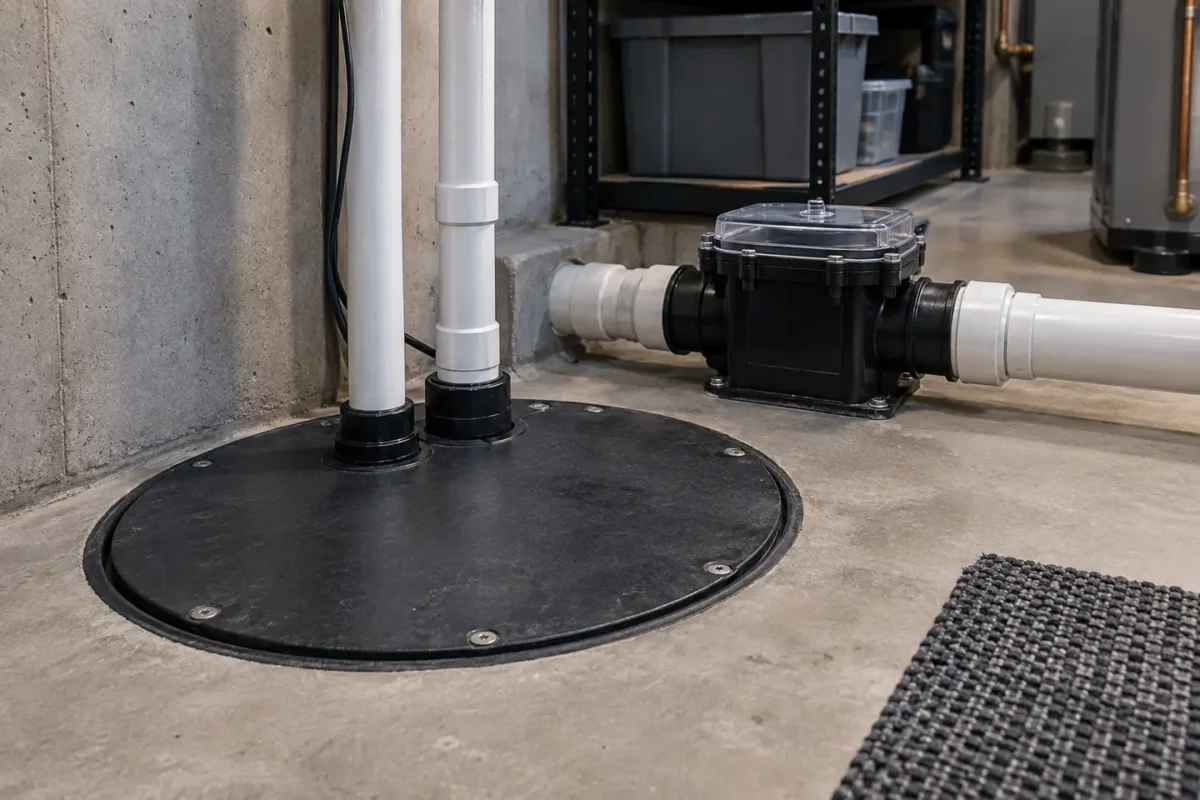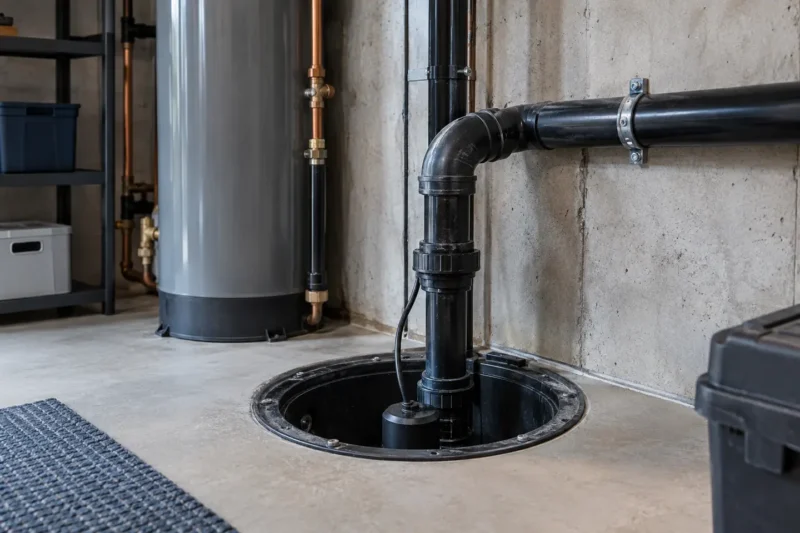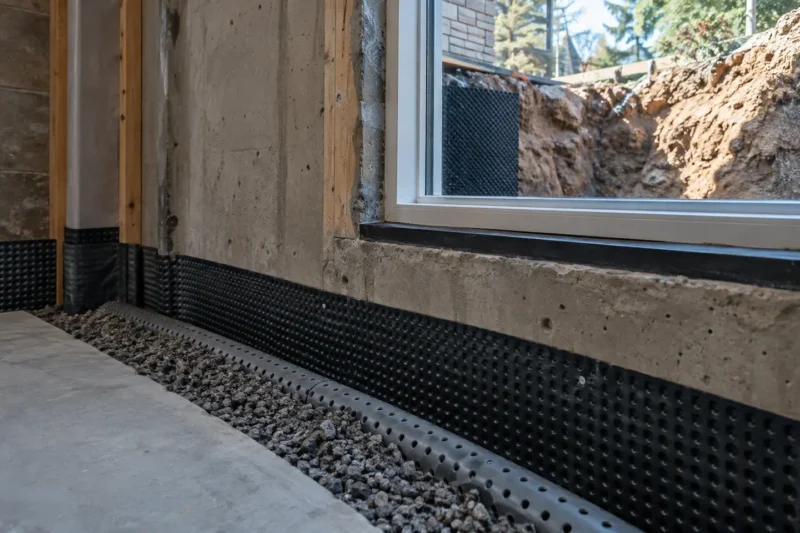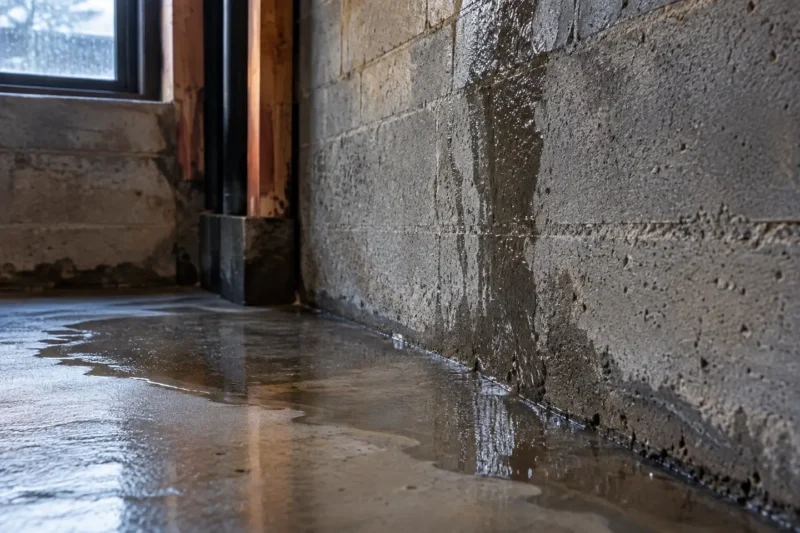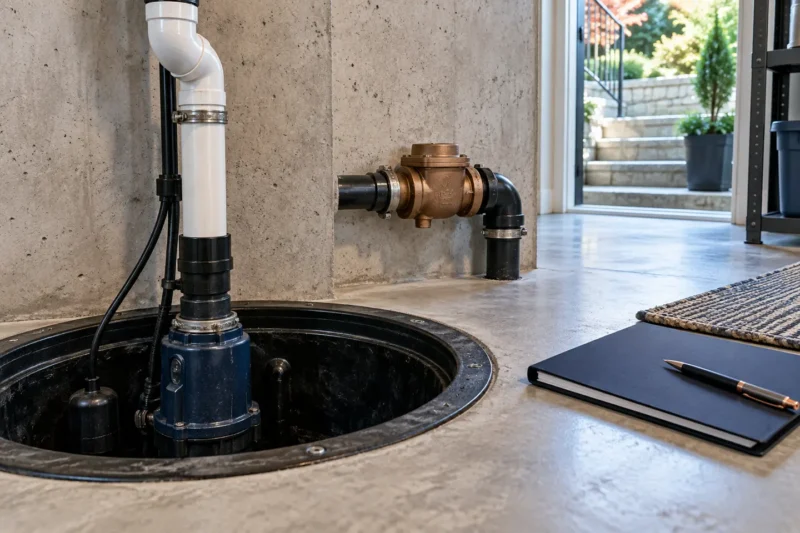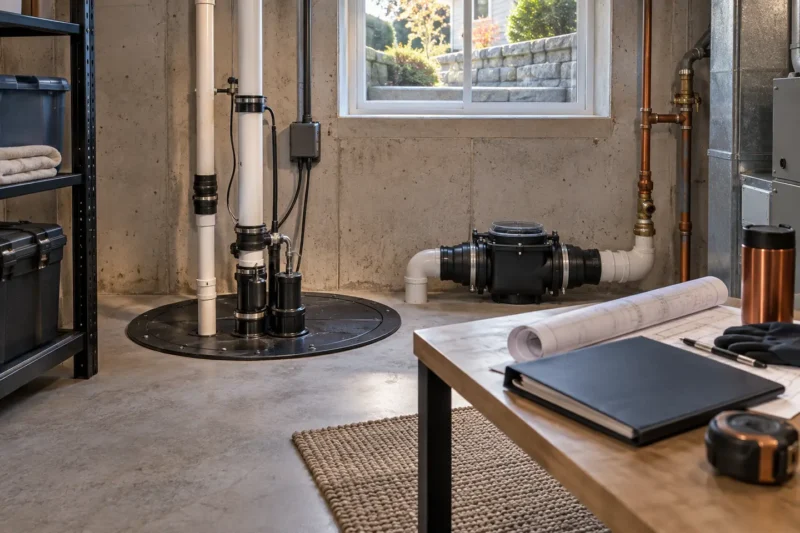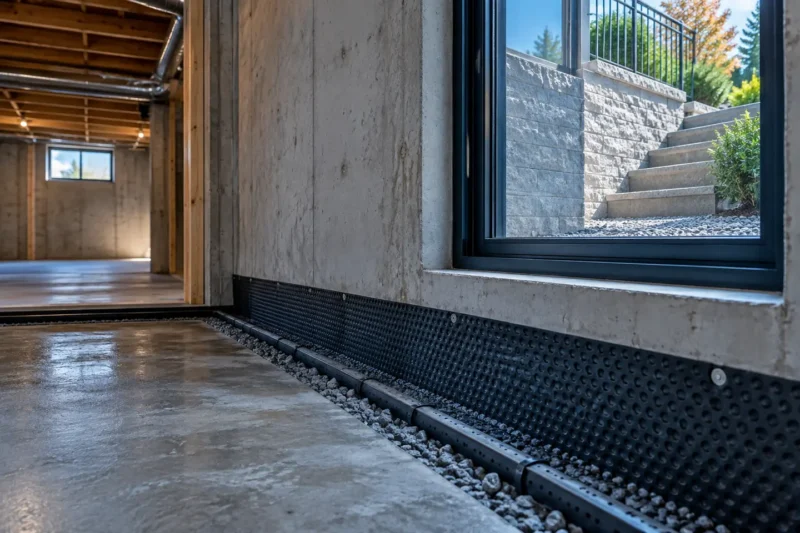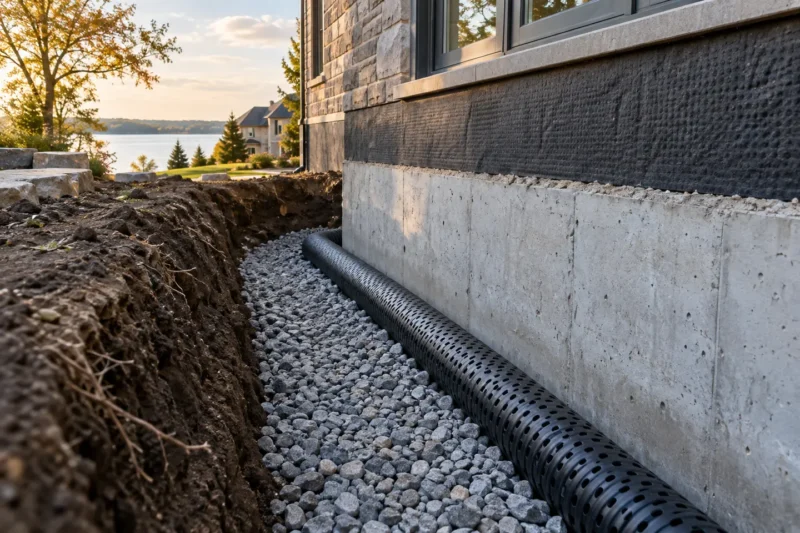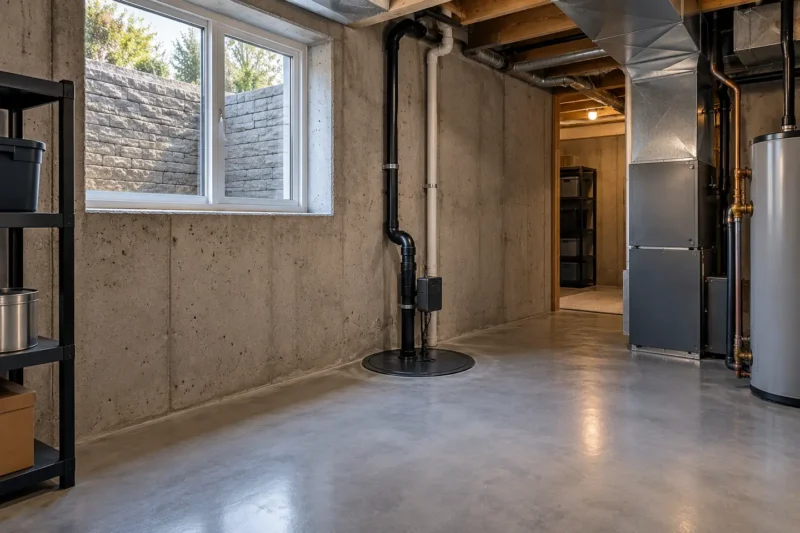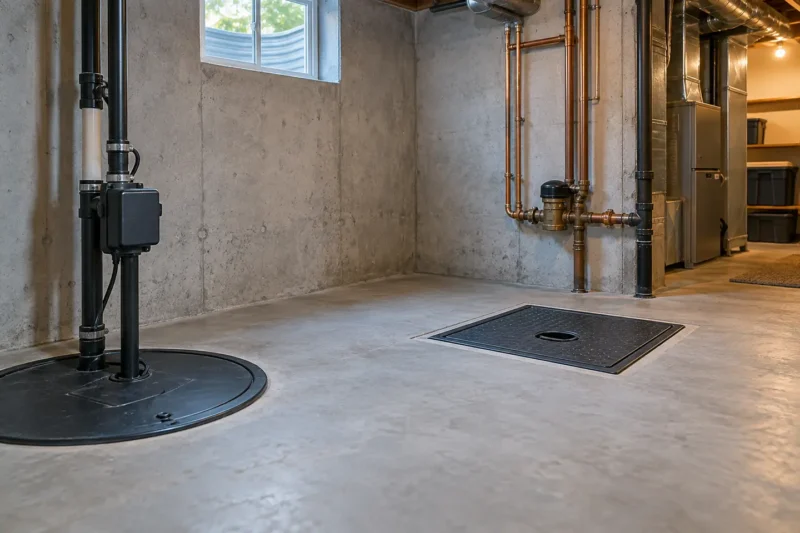
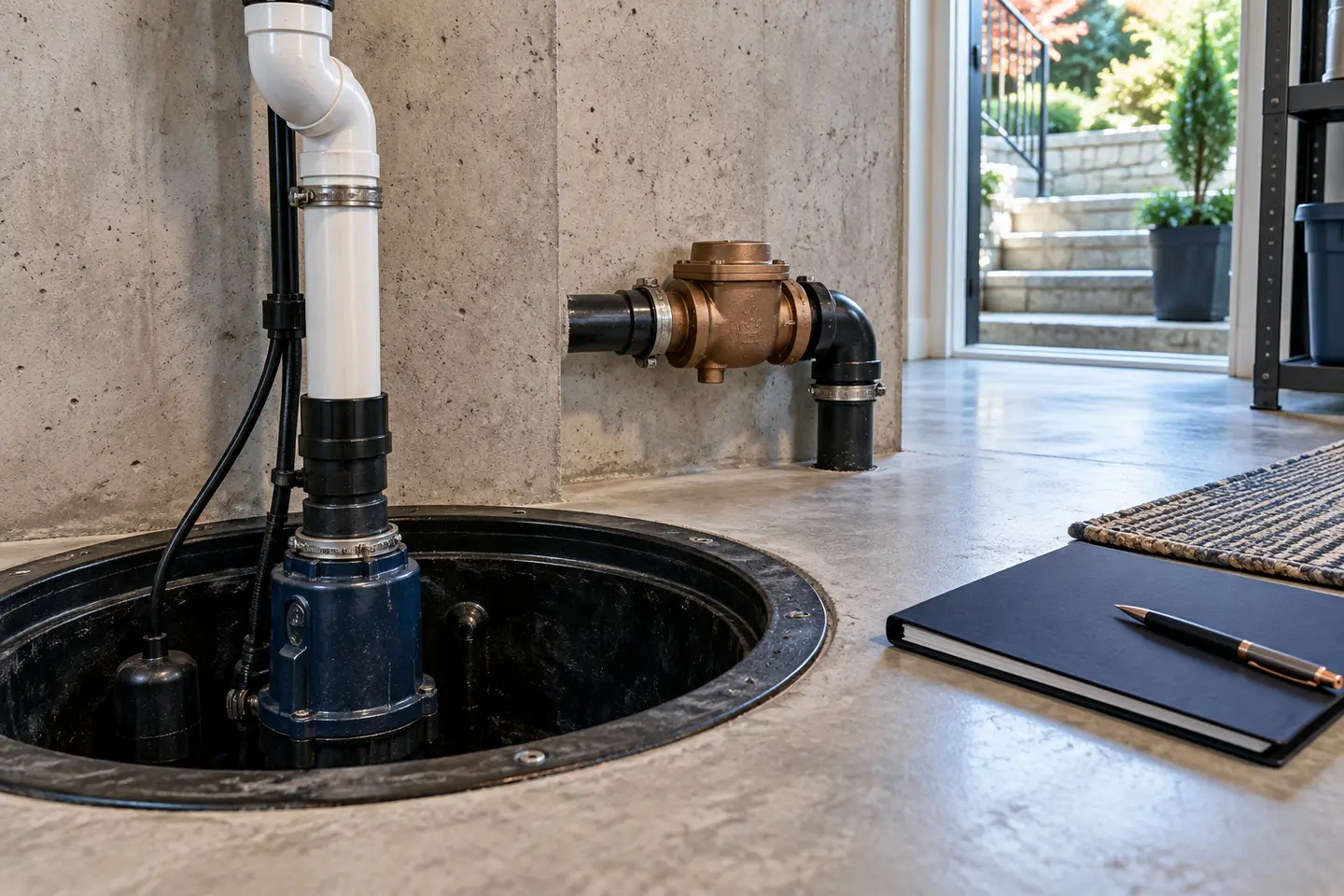
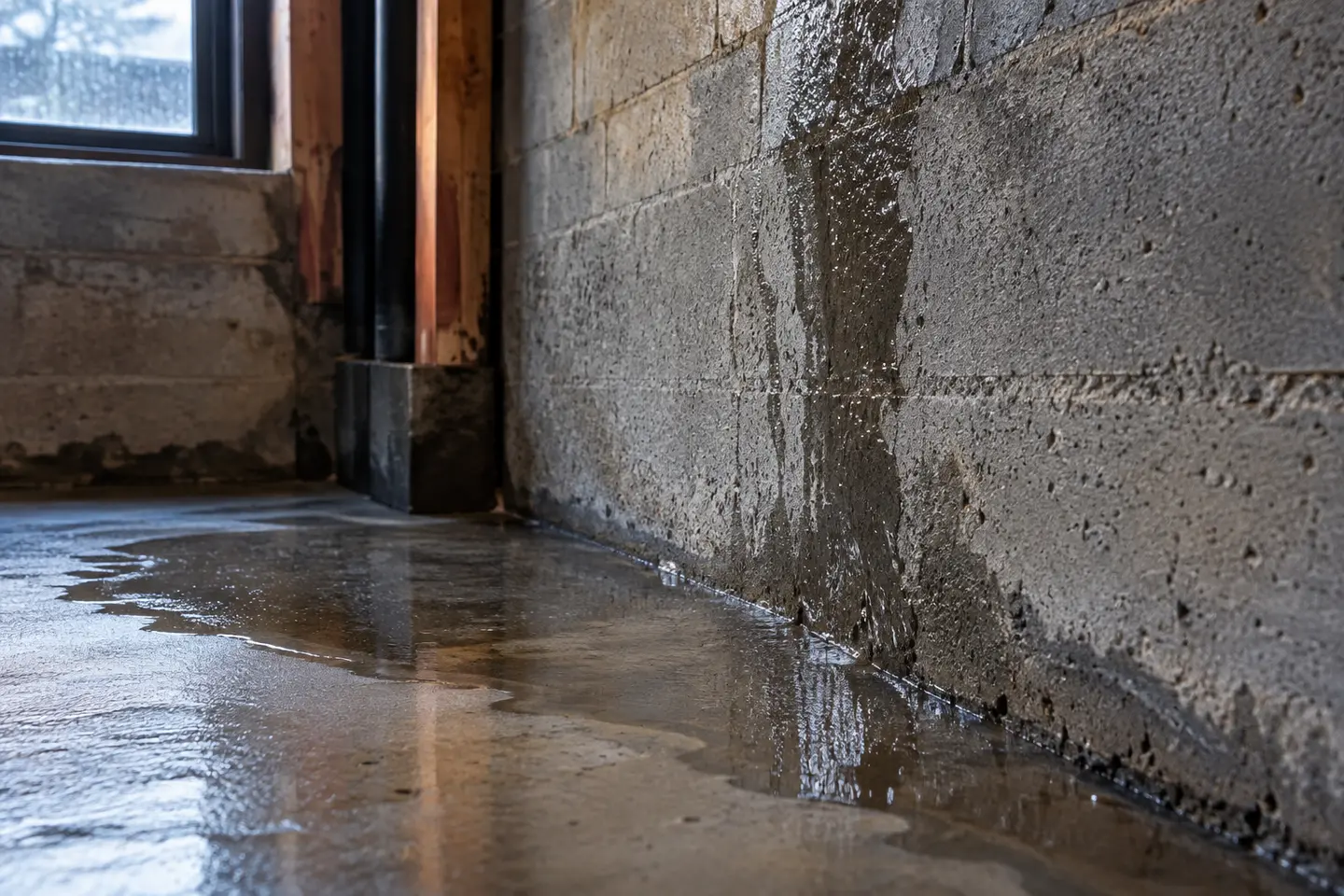
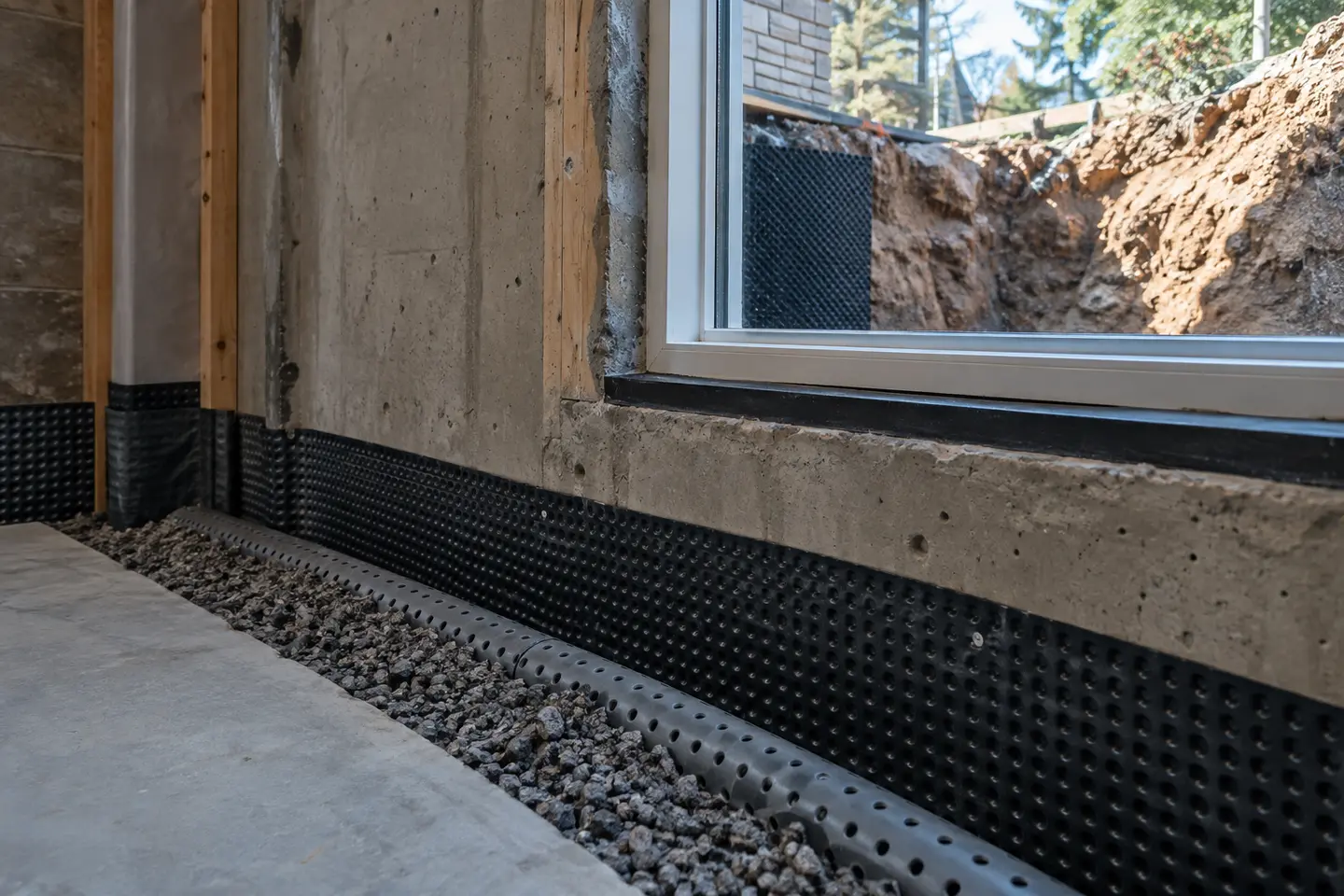
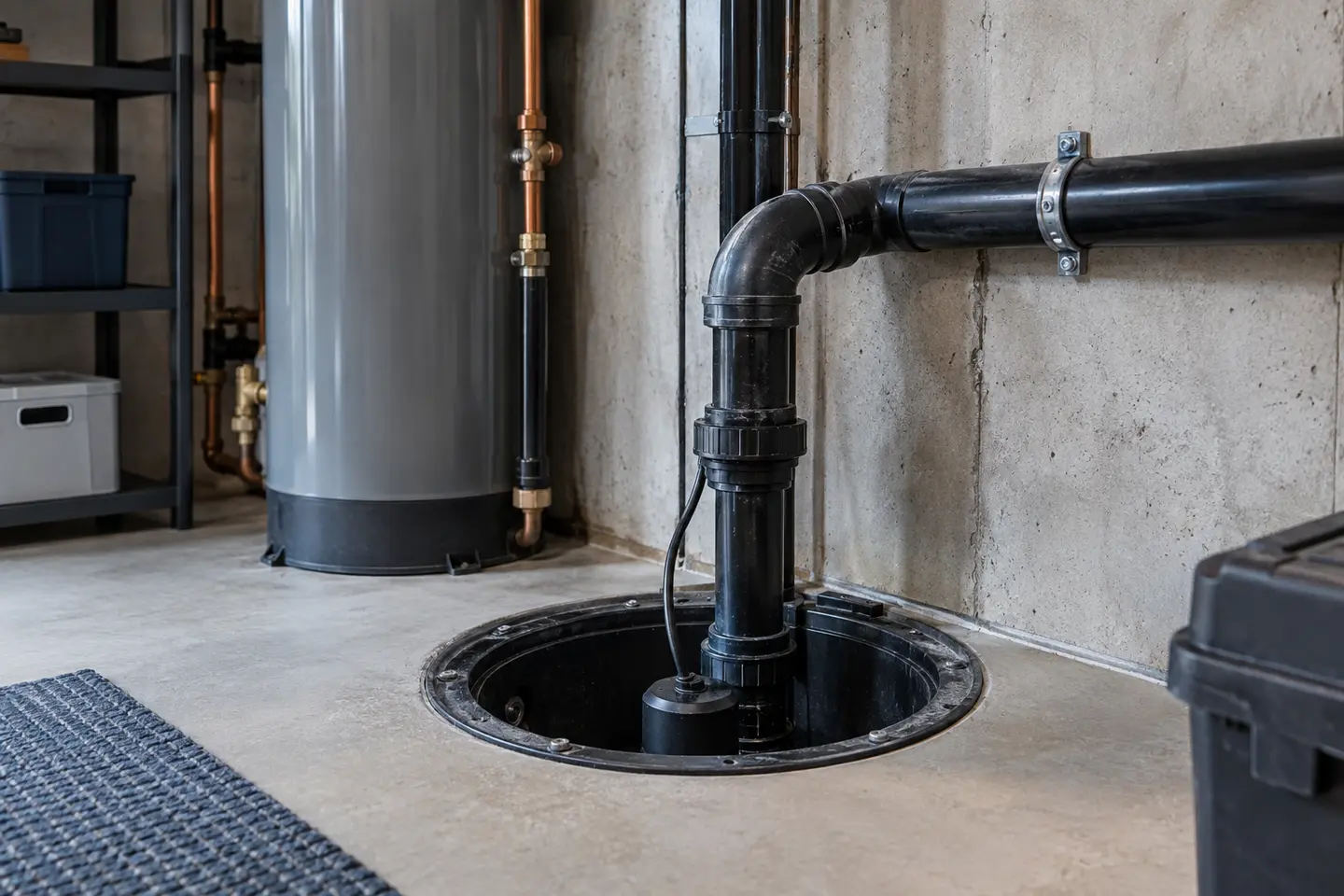
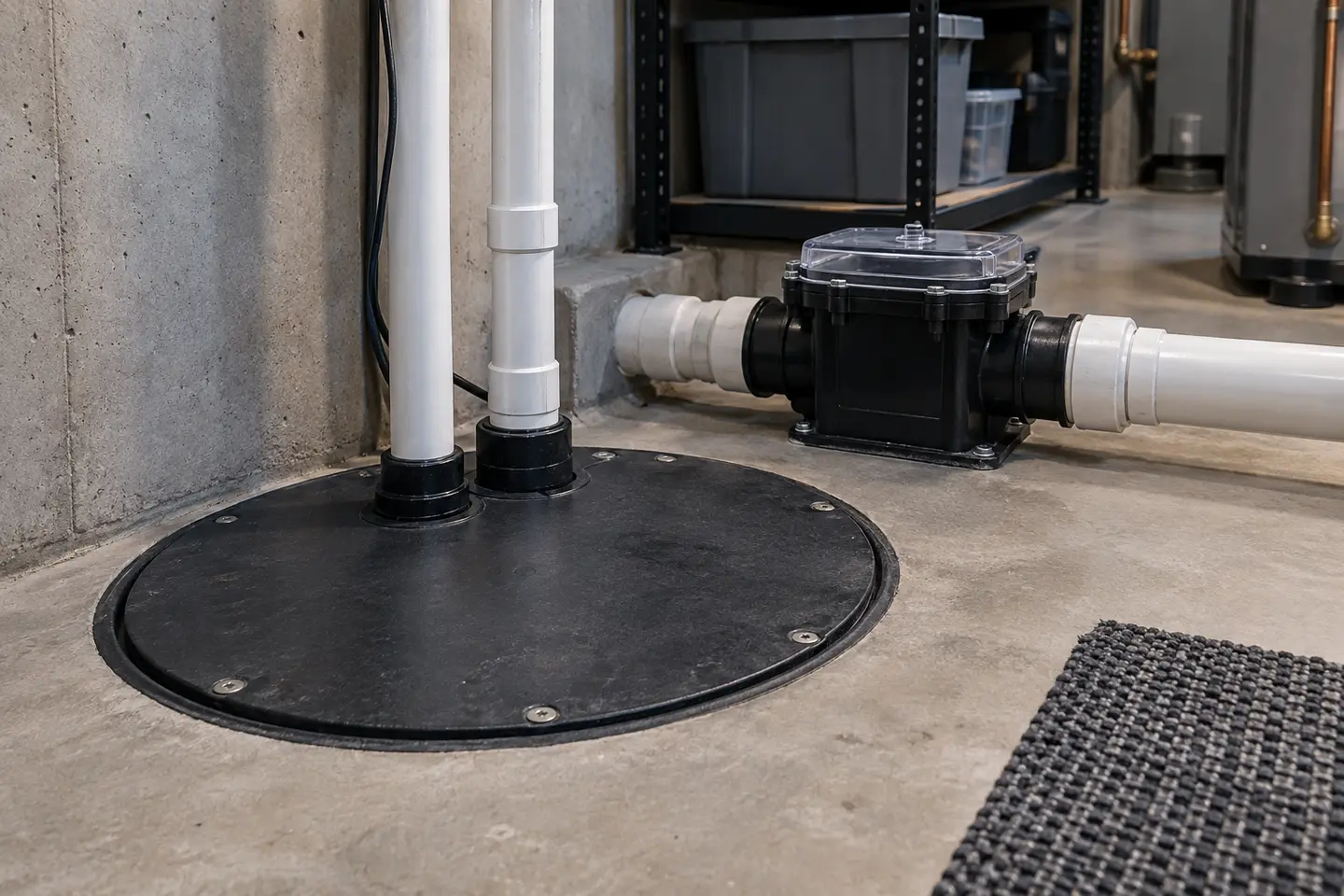
Use this resource centre to compare wet-basement symptoms, foundation drainage, sump pumps, backwater valves, waterproofing access, permits, costs and Halton flood-prevention programs before deciding what belongs in a property-specific assessment.
Practical guidance organized around real homeowner questions
A basement can become wet through more than one route. Water may appear at a crack, the wall-floor joint, a window, the floor, a plumbing fixture or a low point far from its entry. The articles below keep those routes separate so a sump-pump concern is not confused with wastewater reverse flow, and a visible crack is not assumed to explain every damp area.
Each guide connects the question to the relevant dedicated service, explains what can be checked safely, identifies records worth keeping and distinguishes general planning information from details that require access to the property. Oakville permit and Halton subsidy references are linked to their official sources and should be confirmed again before work or an application.
How to use the resource centre
- Start with the first visible water location
- Compare rain, thaw, outage and plumbing timing
- Review the purpose of each drainage device
- Separate confirmed evidence from assumptions
- Check access, restoration and maintenance
- Verify current permits and regional programs
If the route is unclear, begin with the problem pages and the flood-prevention assessment rather than selecting an interior, exterior, pump or valve solution from a photograph alone.