
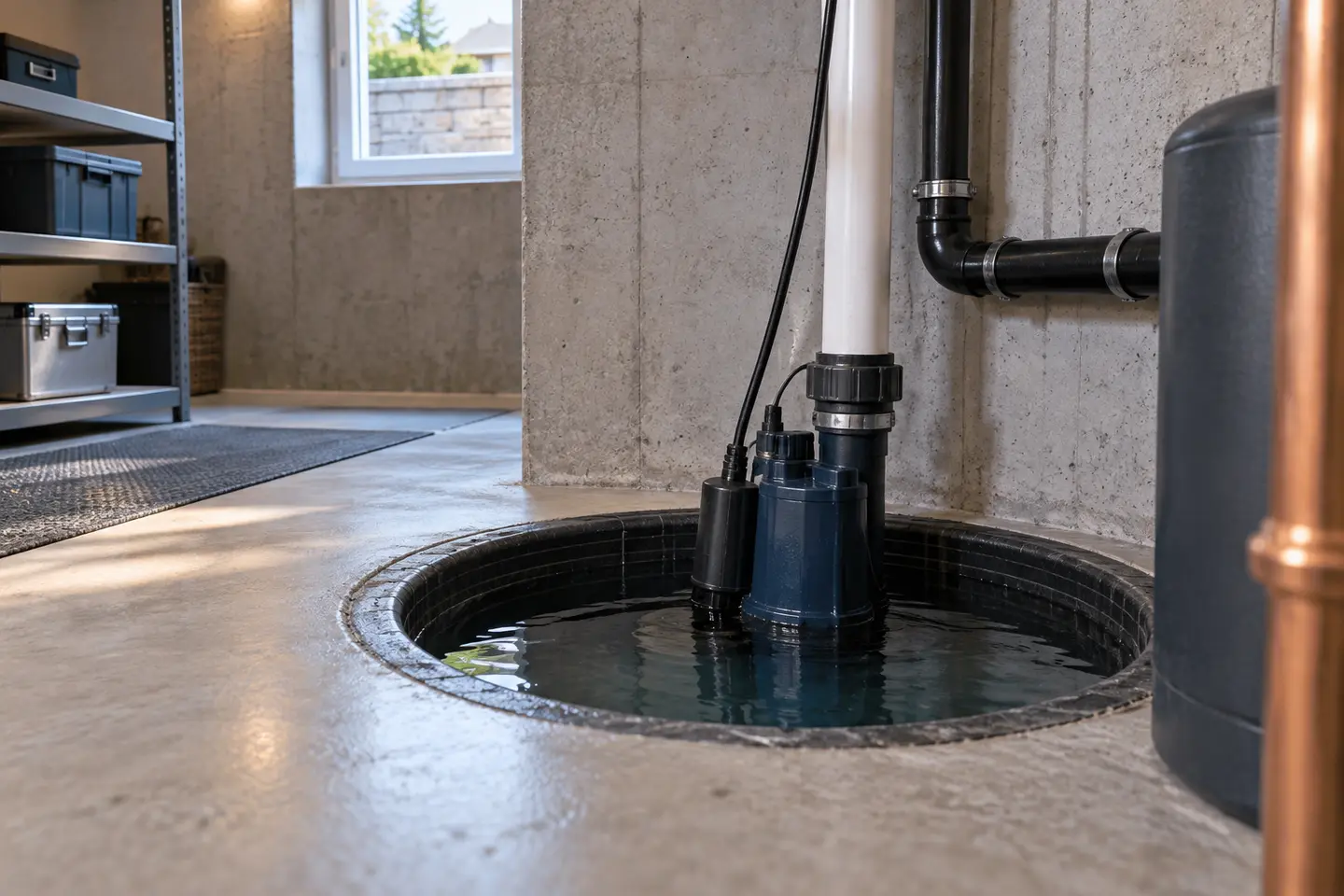
The pump does not start, runs without clearing the pit, cycles unusually or triggers an alarm. That observation narrows the discussion, but it does not establish one repair. An Oakville assessment may need to compare power and electrical safety, float movement, pump intake and capacity, check valve, and blocked, frozen or poorly routed discharge.
Start with the first safe observation
When dealing with sump pump not working, record the first location that becomes wet, the timing and the weather or plumbing conditions. Take a wider photograph for context and a closer photograph of the visible detail when that can be done without entering water or touching electrical equipment. Do not remove energized equipment, reach into a sump pit or enter water that may be contaminated. Immediate safety and cleanup decisions come before diagnosing the building.
Keep observations separate from conclusions. “The lower corner became wet ten minutes into the storm” is useful evidence. “The weeping tile is blocked” is a theory that still needs support. This distinction helps the assessor compare alternatives and avoids turning an early guess into the project scope.
Conditions that may be relevant
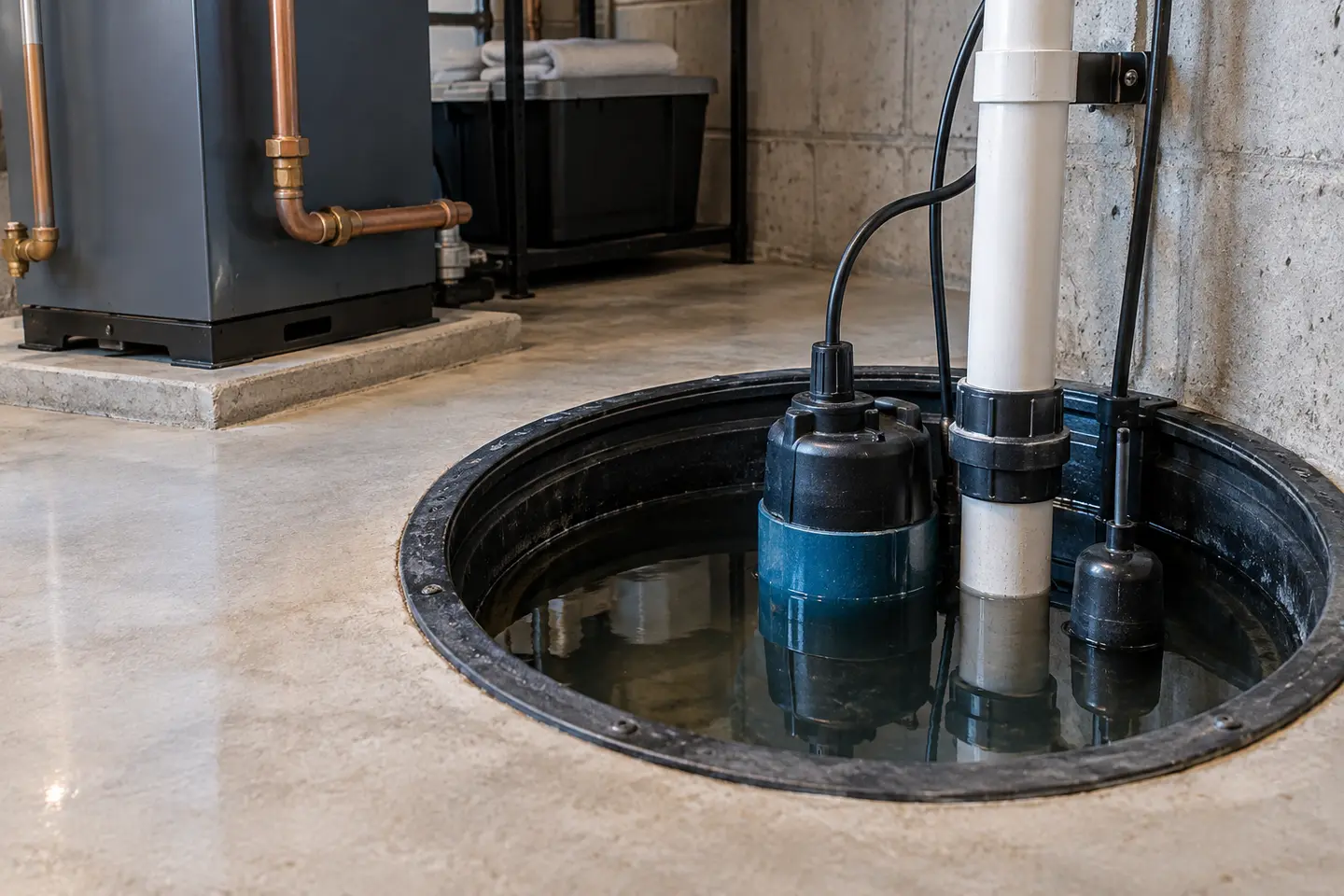
Potential contributors include power and electrical safety, float movement, pump intake and capacity, check valve, and blocked, frozen or poorly routed discharge. Several can exist together. A rain-related pattern does not rule out a plumbing source, and a visible crack does not prove that all water passed through that crack. The useful question is whether the observed timing, height, route and surrounding conditions support a particular explanation.
- Power and electrical safety
- Float movement
- Pump intake and capacity
- Check valve
- Blocked, frozen or poorly routed discharge
Finished basements add uncertainty because drywall, insulation, flooring and cabinets can move or conceal water. Staining may appear below or beside the original opening. Selective access can be more informative than removing a large area without a plan, and the proposal should state who opens and restores the finishes.
What should be inspected
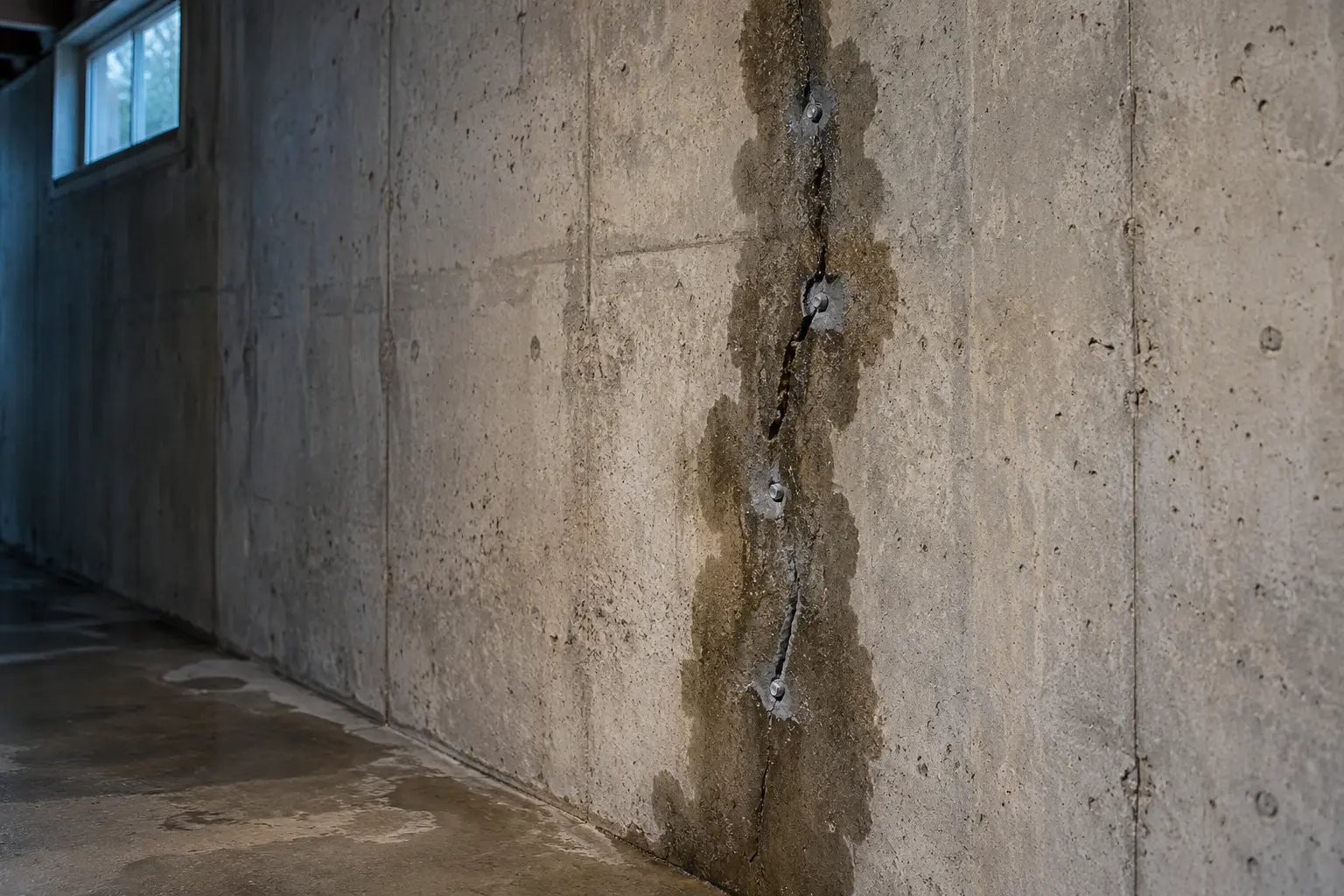
An interior review can include visible foundation surfaces, cracks, penetrations, the wall-floor edge, basement windows, floor drains, sump equipment and the limits created by finishes. An exterior review can include grading, downspouts, roof runoff, window wells, paved areas, foundation exposure and places where water remains beside the house.
Drainage components need system context. A sump pump can operate normally while receiving more water than usual. A discharge can send water too close to the house. A window well can hold water because its drain, stone, height or surface setting is deficient. A wastewater backup requires a different investigation from foundation seepage.
What cannot be determined remotely
A message, photograph or video cannot confirm buried pipe destinations, the full condition of a foundation drain, the structural significance of a crack, valve suitability, property grading elevations or every concealed connection. It also cannot confirm subsidy eligibility or whether a permit applies to the final scope. Those decisions require property information and, where appropriate, municipal or regional confirmation.
A useful assessment should name its limits. If more access, testing, plumbing investigation, structural review or drainage engineering is needed, that should be a distinct next step. A careful boundary is more useful than an overconfident diagnosis.
Possible next steps
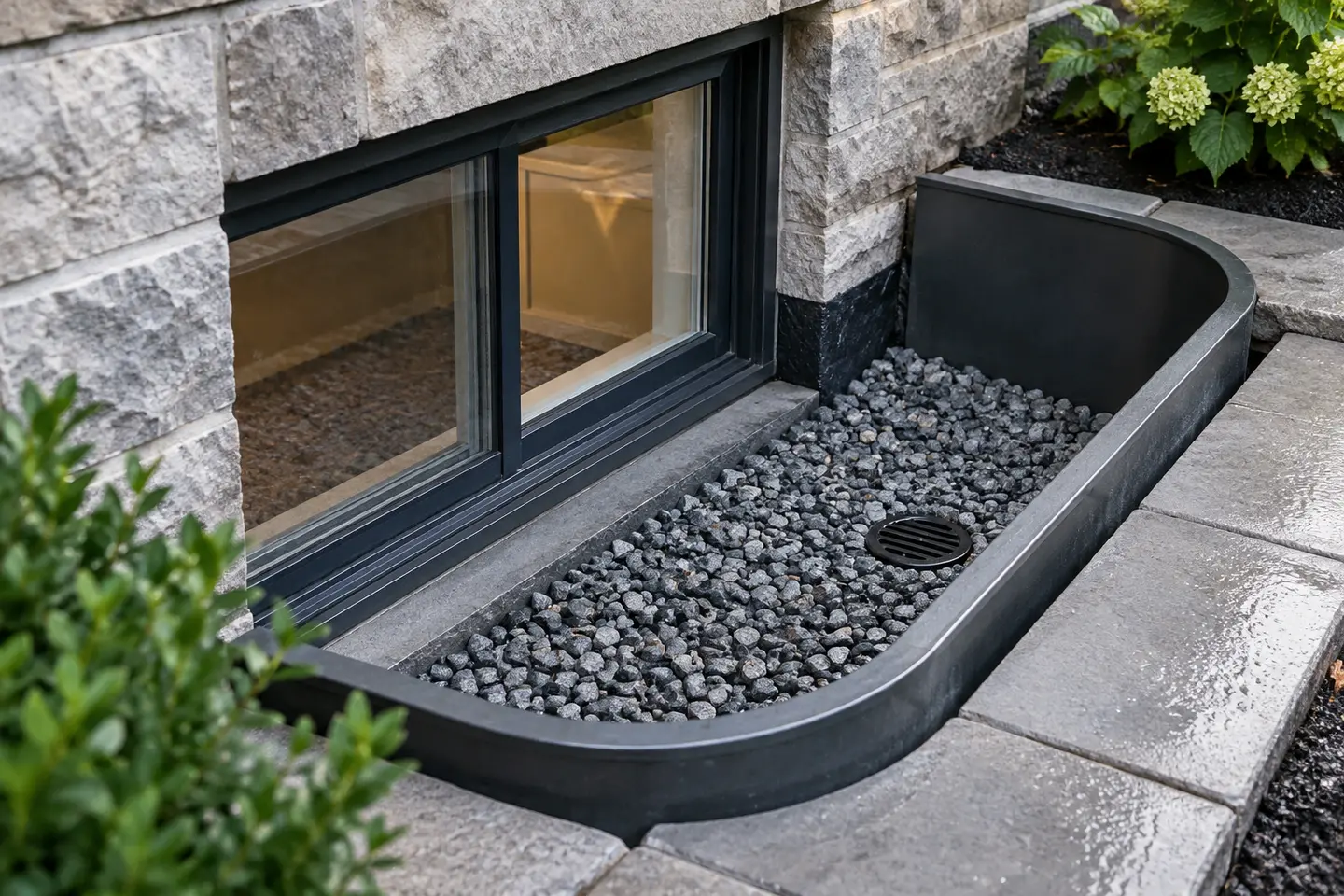
The next step may be a targeted repair, an interior or exterior waterproofing scope, correction of a window well, sump service, foundation-drain work, a plumbing investigation or surface-drainage changes. The option should follow the evidence and explain its intended water route. Ask how the recommendation accounts for both the visible condition and the system connected to it.
For Oakville properties, review FDC status and permit implications when sump pumps, weeping tile, excavation, shoring or sewer work becomes part of the plan. Halton flood-prevention programs have measure-specific rules and documentation. The rebates and subsidies guide explains the current framework and why approval should not be assumed.
Information to prepare for an assessment
- Date, approximate time and duration of the event
- Where water first appeared and how it spread
- Rain, thaw, outage or plumbing conditions at the time
- Photographs from safe locations before cleanup
- Known sump, drain, window-well or previous repair information
- Areas concealed by drywall, flooring, storage or built-ins
- Any permit, survey or drainage records available for the property
How to compare possible repair paths
For sump pump not working, compare each recommendation against the condition it is intended to control. A local defect repair, interior collection system, exterior wall treatment, drainage correction, pump change or plumbing measure can all be reasonable in the right setting, but they are not substitutes for one another. Ask the assessor to identify the route, show how the method intercepts or manages it, and explain what remains outside the scope.
The estimate should distinguish investigation from installation and installation from restoration. It should identify quantities, materials or equipment, connections, discharge, disposal, permits, inspections and assumptions about concealed areas. When two proposals appear to be priced very differently, first check whether they address the same length, depth, access and restoration.
Finished and unfinished basement considerations
An unfinished basement offers more visible evidence, but water can still move along joints or beneath the slab before it is noticed. In a finished basement, drywall, insulation, baseboards, flooring and built-ins can hide the path and hold moisture. A planned opening should target the most useful location, protect occupied space and establish who will reinstate each finish.
After cleanup, do not cover a damp area simply because the surface appears dry. Materials, cavities and the original water route may need further review. At the same time, avoid broad demolition without a defined question. The assessment should balance access with preservation and should identify when another qualified evaluation is required.
Seasonal follow-up can add useful evidence. A condition seen during a spring thaw may not appear during a short summer visit, and a dry wall after cleanup does not erase the earlier pattern. Keep dated notes, weather context and photographs with any pump alarms or repair records. That history helps distinguish a one-time surface event from a recurring route and gives future maintenance decisions a stronger basis.
If another event occurs before work begins, update the record instead of replacing it. Note what stayed the same and what changed: a different starting point, faster spread, a new alarm, a blocked outlet or a longer delay after rain. Differences between events can be as informative as the common pattern and may prevent a narrow repair from overlooking a second route.
Common questions
Should I wait for the next storm?
You can request an assessment using the information already available. Do not delay a response to electrical, contamination or active-flooding risks merely to document another event.
Can a surface seal fix the issue?
A surface product may not address water travelling behind the finish, pressure at a joint or a failed drainage route. The method has to match the confirmed pathway and substrate.
Does rain prove that exterior waterproofing is required?
No. Rain timing is important, but the route can involve a crack, window well, surface drainage, foundation drain, wall-floor joint or another condition. Interior and exterior options should be compared after inspection.
Could more than one repair be needed?
Yes. A property can have separate foundation seepage and sewer-backup risks, or a local crack plus poor surface drainage. Each measure should have a defined purpose.
Services that may become relevant
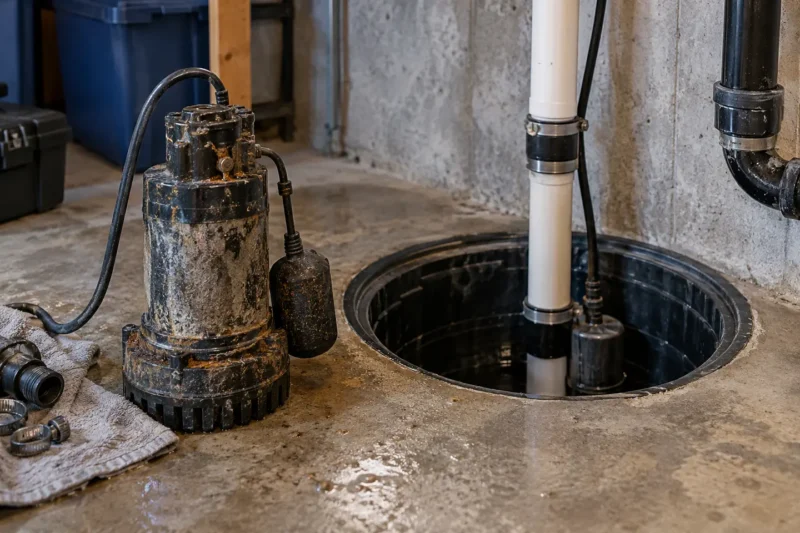
Sump Pump Replacement
Oakville sump pump replacement planned around an aging, failed or poorly performing pump in an existing pit, access, drainage, permits and restoration.
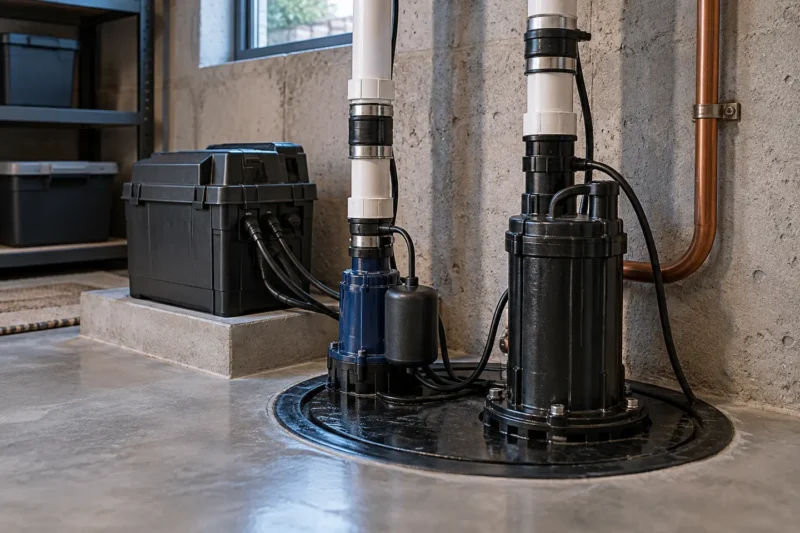
Battery Backup Sump
Oakville battery backup sump pump systems planned around secondary pumping during a power outage or primary-pump problem, access, drainage, permits and restoration.
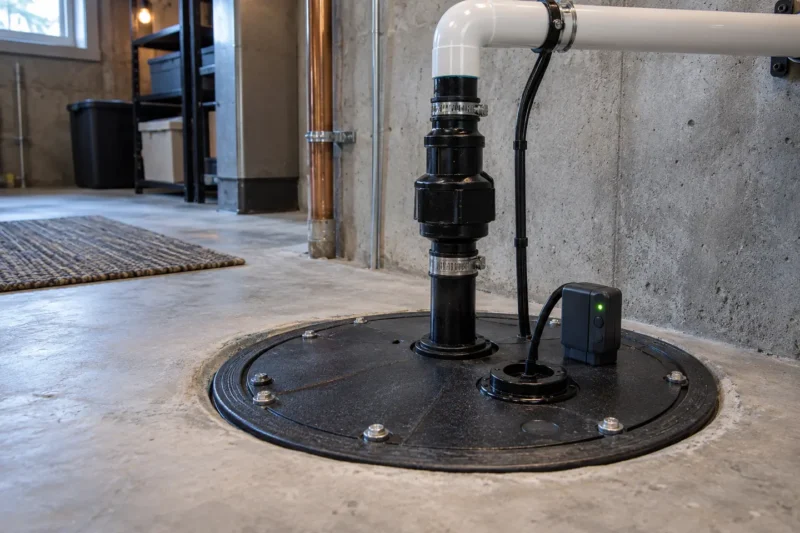
Sump Pump Installation
Oakville sump pump installation planned around a new sump pit and pump system for collected foundation drainage, access, drainage, permits and restoration.