
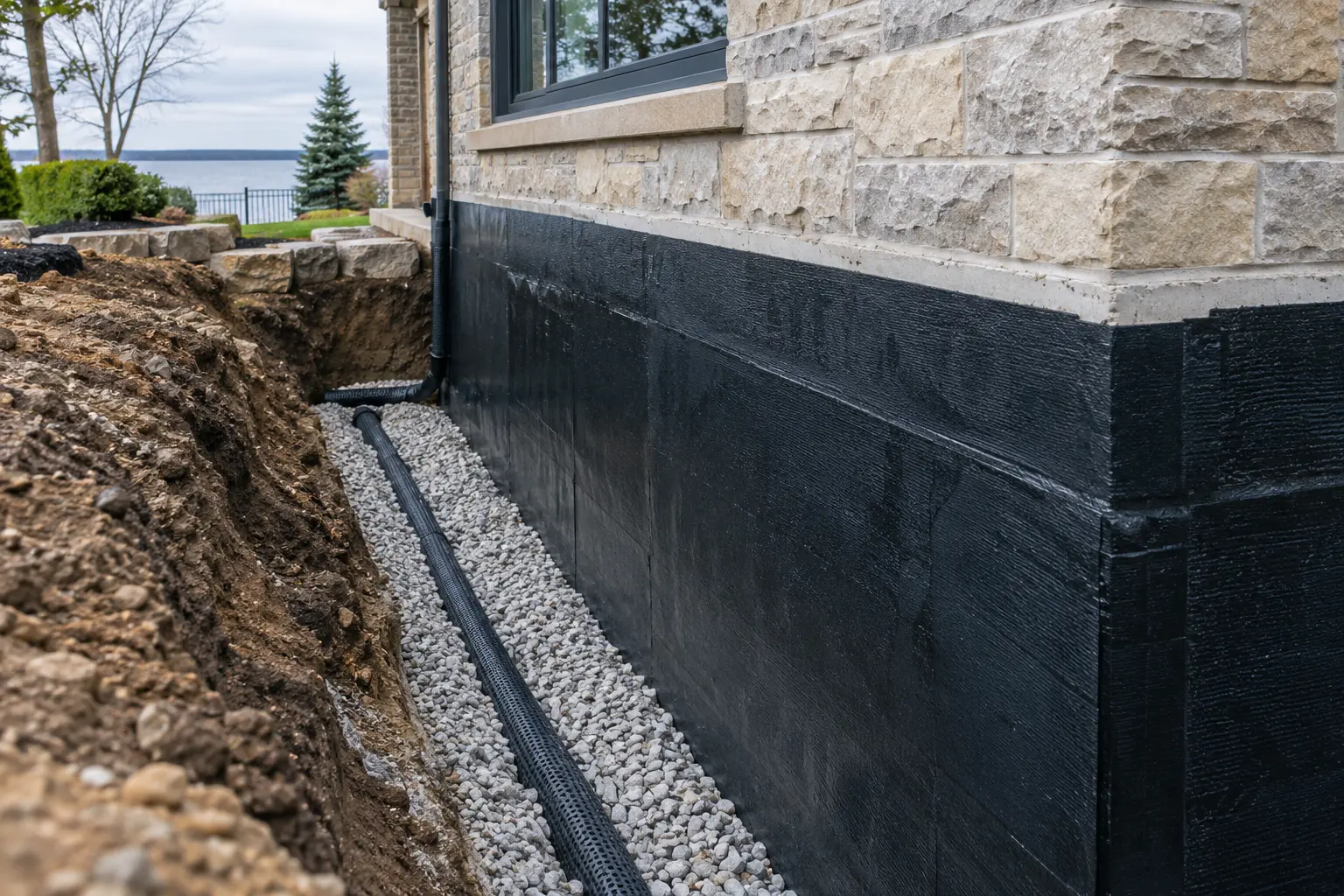
A sump pump moves collected foundation water. A backwater valve closes against reverse flow in the wastewater lateral. They address different risks, and some homes may need one, both or neither after assessment.
Why this guide matters in Oakville
Sump Pump vs Backwater Valve is a planning question, not merely a product question. Oakville homes vary in foundation construction, age, grading, finished-basement conditions, drainage destinations and available exterior access. North Oakville properties may also involve Foundation Drainage Collection System considerations that should be confirmed for the address rather than inferred from a neighbourhood or construction date.
A useful plan separates visible evidence, buried systems, municipal requirements and restoration. It also distinguishes foundation seepage from sewer reverse flow and indoor humidity. Those conditions can occur together, but they do not share one universal repair.
Groundwater And Foundation Drainage
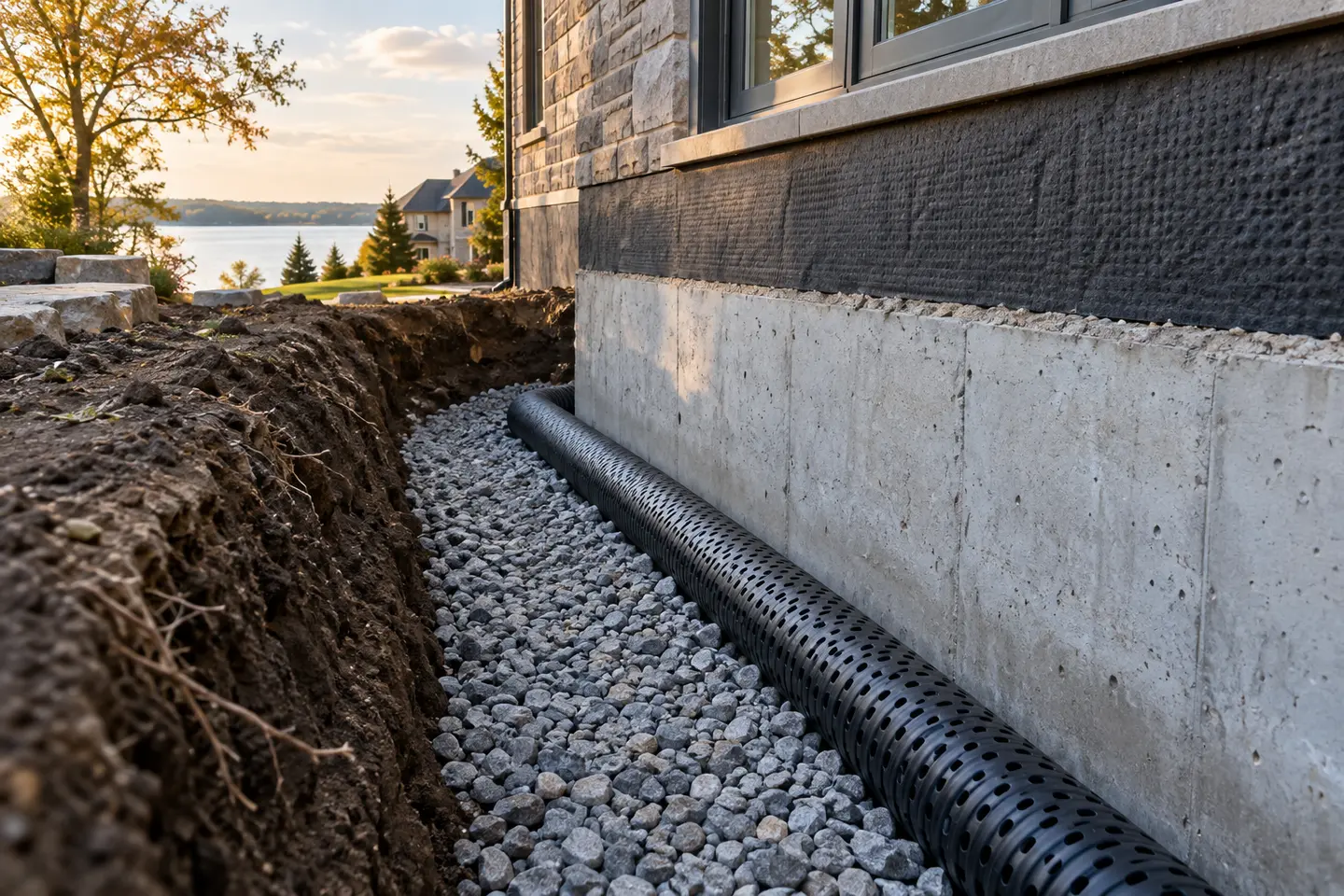
Groundwater And Foundation Drainage should be evaluated as part of the complete water-management route. The visible condition, the foundation or pipe involved, access, connections, discharge and restoration can each change the correct scope. Ask what has been confirmed at the property, what remains an assumption and what additional information is needed before work is authorized.
For groundwater and foundation drainage, the written proposal should describe the intended result and the boundary of the work. It should identify preparation, materials or equipment, quantities, testing, disposal and who restores disturbed interior or exterior finishes. When a permit or inspection applies, the sequencing must leave the work visible at the required stage.
Wastewater Sewer Reverse Flow
Wastewater Sewer Reverse Flow should be evaluated as part of the complete water-management route. The visible condition, the foundation or pipe involved, access, connections, discharge and restoration can each change the correct scope. Ask what has been confirmed at the property, what remains an assumption and what additional information is needed before work is authorized.
For wastewater sewer reverse flow, the written proposal should describe the intended result and the boundary of the work. It should identify preparation, materials or equipment, quantities, testing, disposal and who restores disturbed interior or exterior finishes. When a permit or inspection applies, the sequencing must leave the work visible at the required stage.
Sump Pits, Pumps And Discharge
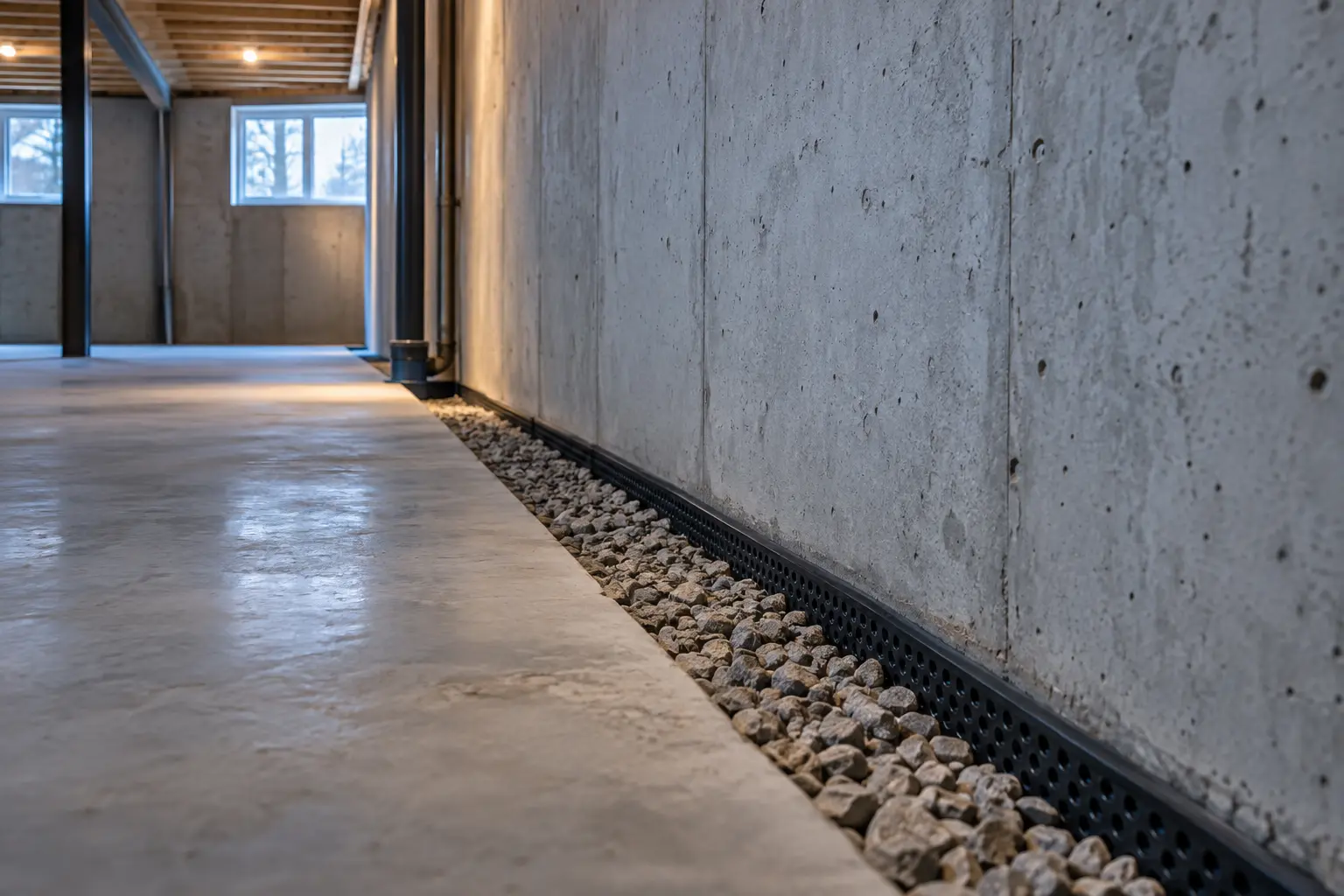
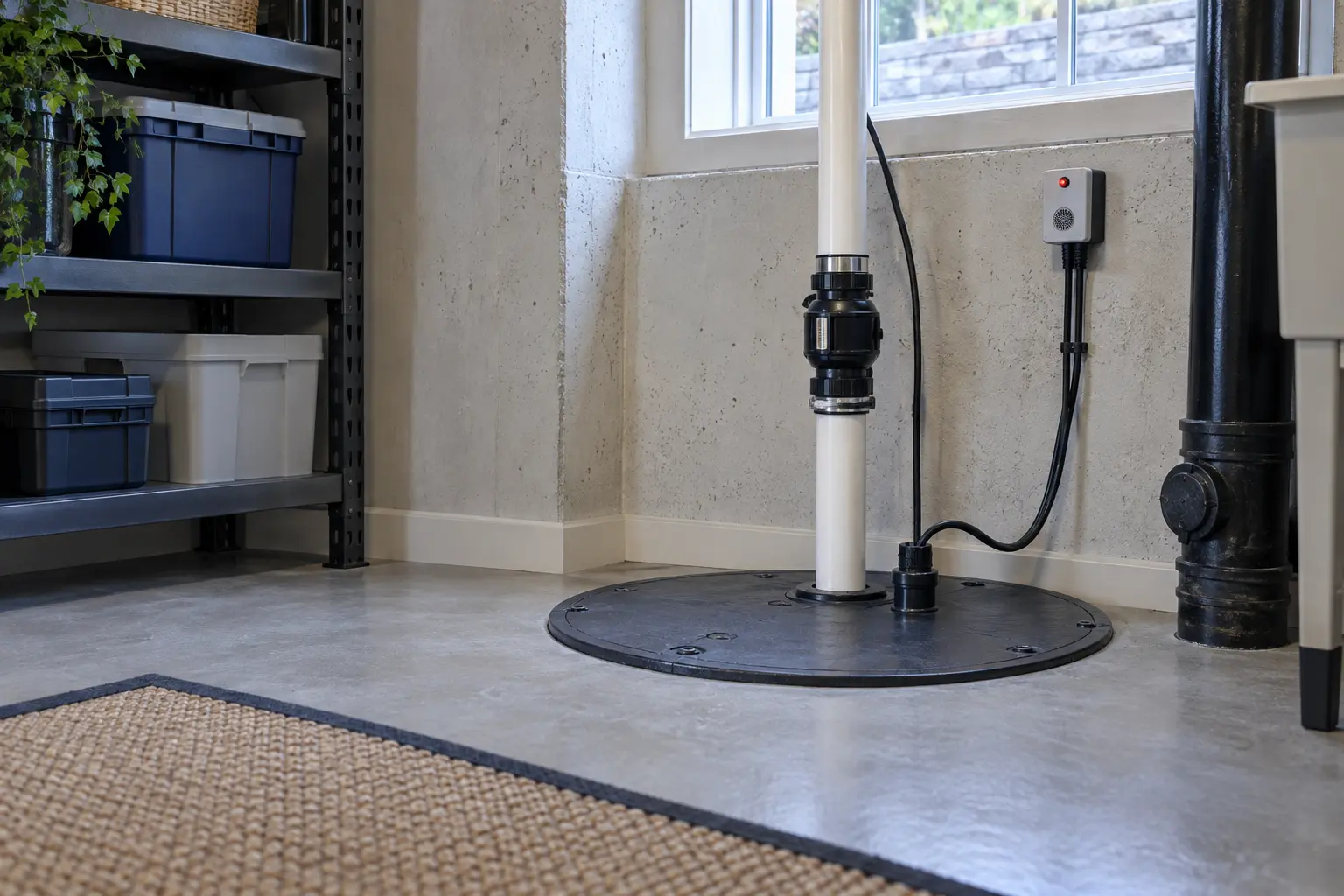
Sump Pits, Pumps And Discharge should be evaluated as part of the complete water-management route. The visible condition, the foundation or pipe involved, access, connections, discharge and restoration can each change the correct scope. Ask what has been confirmed at the property, what remains an assumption and what additional information is needed before work is authorized.
For sump pits, pumps and discharge, the written proposal should describe the intended result and the boundary of the work. It should identify preparation, materials or equipment, quantities, testing, disposal and who restores disturbed interior or exterior finishes. When a permit or inspection applies, the sequencing must leave the work visible at the required stage.
Valve Location And Operation
Valve Location And Operation should be evaluated as part of the complete water-management route. The visible condition, the foundation or pipe involved, access, connections, discharge and restoration can each change the correct scope. Ask what has been confirmed at the property, what remains an assumption and what additional information is needed before work is authorized.
For valve location and operation, the written proposal should describe the intended result and the boundary of the work. It should identify preparation, materials or equipment, quantities, testing, disposal and who restores disturbed interior or exterior finishes. When a permit or inspection applies, the sequencing must leave the work visible at the required stage.
Power, Maintenance And Alarms
Power, Maintenance And Alarms should be evaluated as part of the complete water-management route. The visible condition, the foundation or pipe involved, access, connections, discharge and restoration can each change the correct scope. Ask what has been confirmed at the property, what remains an assumption and what additional information is needed before work is authorized.
For power, maintenance and alarms, the written proposal should describe the intended result and the boundary of the work. It should identify preparation, materials or equipment, quantities, testing, disposal and who restores disturbed interior or exterior finishes. When a permit or inspection applies, the sequencing must leave the work visible at the required stage.
Permits And Subsidy Context
Permits And Subsidy Context should be evaluated as part of the complete water-management route. The visible condition, the foundation or pipe involved, access, connections, discharge and restoration can each change the correct scope. Ask what has been confirmed at the property, what remains an assumption and what additional information is needed before work is authorized.
For permits and subsidy context, the written proposal should describe the intended result and the boundary of the work. It should identify preparation, materials or equipment, quantities, testing, disposal and who restores disturbed interior or exterior finishes. When a permit or inspection applies, the sequencing must leave the work visible at the required stage.
How Mixed Flooding Patterns Are Assessed
How Mixed Flooding Patterns Are Assessed should be evaluated as part of the complete water-management route. The visible condition, the foundation or pipe involved, access, connections, discharge and restoration can each change the correct scope. Ask what has been confirmed at the property, what remains an assumption and what additional information is needed before work is authorized.
For how mixed flooding patterns are assessed, the written proposal should describe the intended result and the boundary of the work. It should identify preparation, materials or equipment, quantities, testing, disposal and who restores disturbed interior or exterior finishes. When a permit or inspection applies, the sequencing must leave the work visible at the required stage.
A practical property review
Begin with the timeline: first occurrence, recurrence, rain or thaw conditions, plumbing use, outage history and earlier repairs. Then compare the interior pattern with accessible exterior conditions. Record facts in plain language and keep photographs, invoices, permits and product information together.
Do not treat one condition as proof of another. A functioning pump does not establish that every foundation drain is connected correctly. A dry crack on the inspection day does not show whether it leaked during the storm. A valve in the sanitary lateral does not manage water entering through a foundation wall.
Questions to put in writing
- Which observed condition is the proposed work intended to address?
- How were buried connections or drainage destinations confirmed?
- What interior and exterior access is assumed?
- Which permits, inspections or official confirmations apply?
- What restoration, testing and maintenance are included?
- How will a concealed or unexpected condition be documented and approved?
Frequently asked questions
Can this decision be made without seeing the property?
No. Online information can explain systems and planning questions, but it cannot confirm concealed routes, buried connections, grading, structural conditions or the final permit requirements for an address.
Should I rely on an old subsidy amount or saved application?
No. Verify the current Halton page, application form and homeowner guidance before work. Program limits, eligibility and documentation can change.
Is the lowest estimate enough to compare options?
Only if the scopes solve the same confirmed condition and include the same access, materials, connections, restoration, permits and testing. A lower number can reflect a different or incomplete scope.
What records should remain with the home?
Keep the assessment, proposal, approved changes, invoices, permits, inspection records, product information, photographs and maintenance instructions.
Related services and planning pages
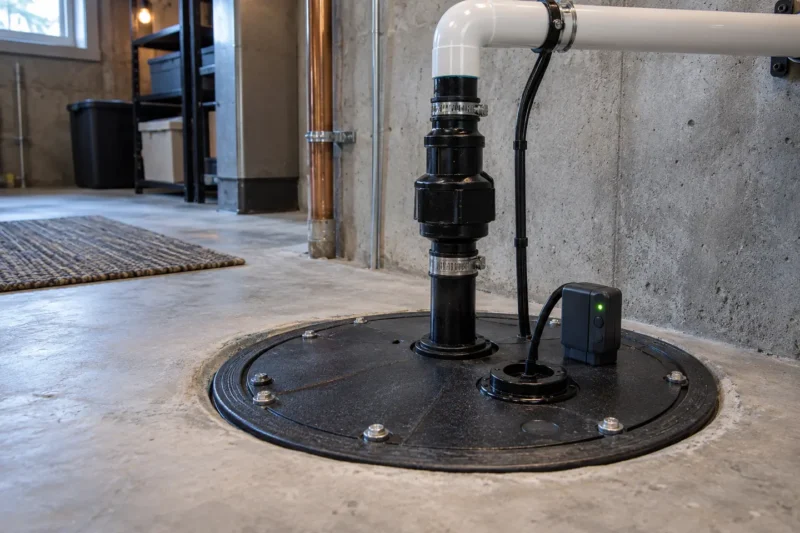
Sump Pump Installation
Oakville sump pump installation planned around a new sump pit and pump system for collected foundation drainage, access, drainage, permits and restoration.
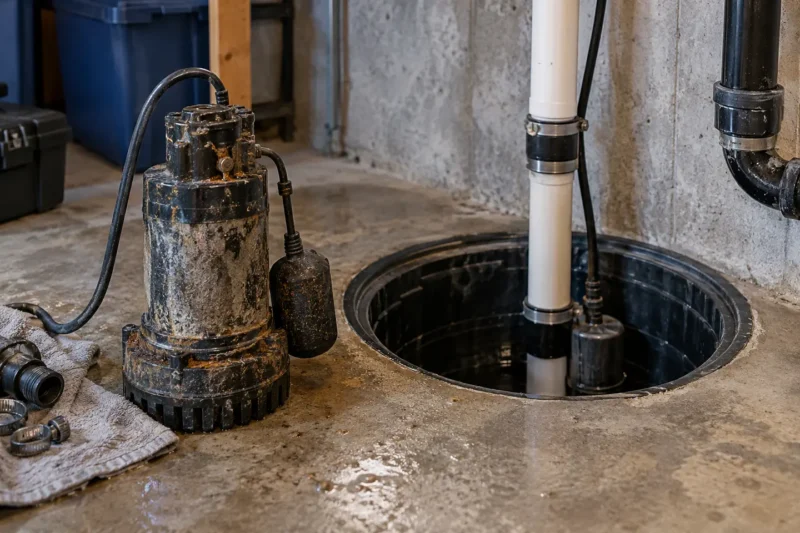
Sump Pump Replacement
Oakville sump pump replacement planned around an aging, failed or poorly performing pump in an existing pit, access, drainage, permits and restoration.
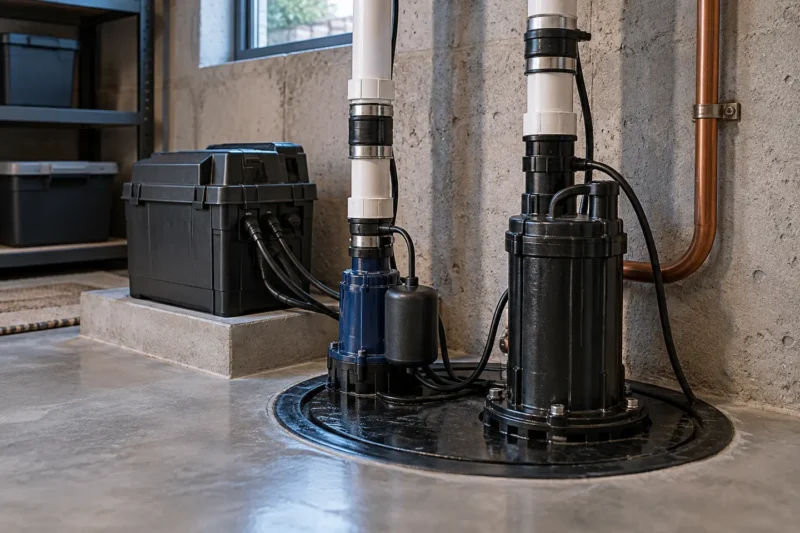
Battery Backup Sump
Oakville battery backup sump pump systems planned around secondary pumping during a power outage or primary-pump problem, access, drainage, permits and restoration.
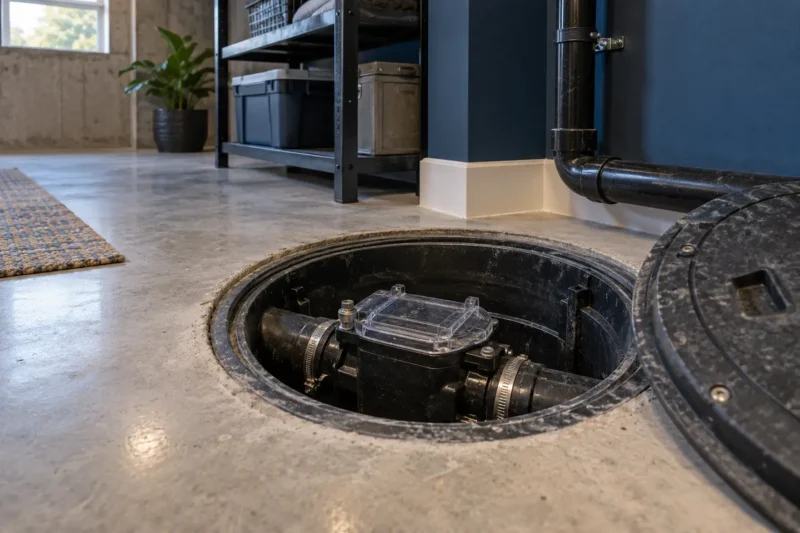
Backwater Valves
Oakville backwater valve installation planned around protection against reverse flow from the municipal wastewater sewer, access, drainage, permits and restoration.