
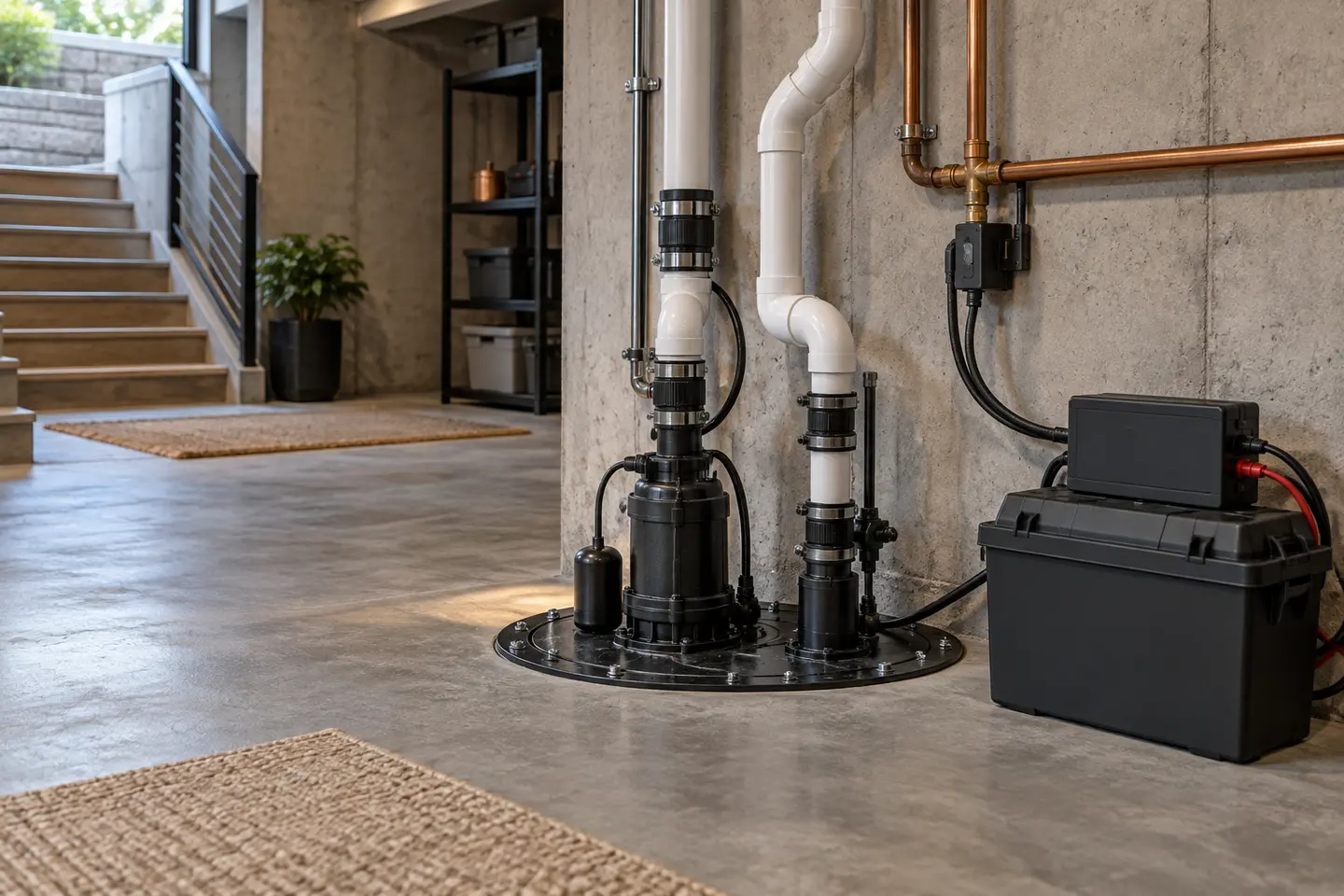
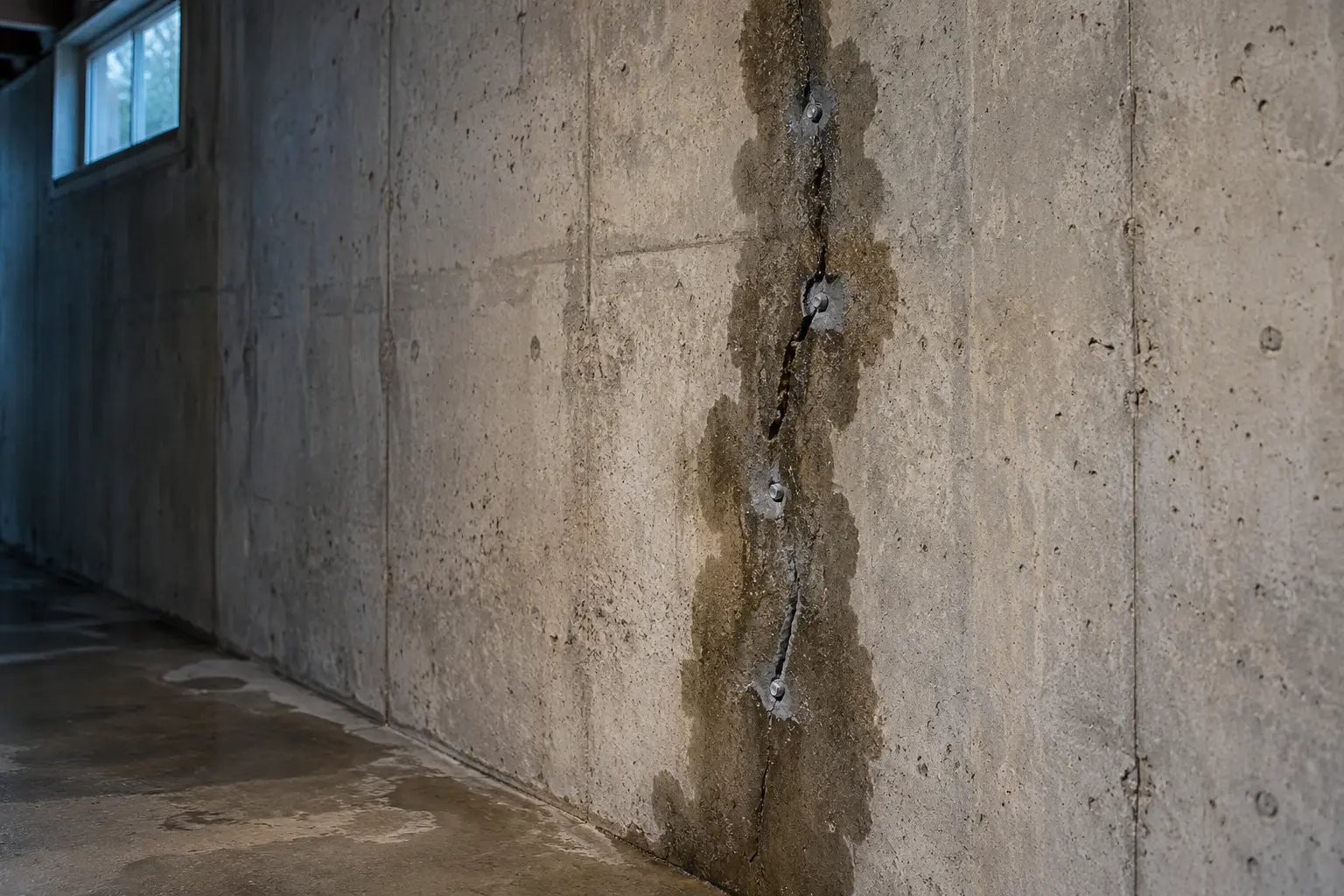
Battery Backup Sump Pump Systems in Oakville begins with evidence from the property, not with a repair chosen from a photograph. The immediate concern is secondary pumping during a power outage or primary-pump problem. A useful assessment connects where water first appears, when it happens, what is concealed by finishes and how water is supposed to drain away from the foundation. That distinction protects the scope from becoming too narrow or unnecessarily broad.
Battery Backup Sump Pump Systems may be appropriate when the inspection confirms a matching water route and access conditions. The intended work is a compatible battery-powered secondary pump and controls, with testing and maintenance instructions. No online description can establish the complete route, buried connections, structural condition or municipal requirements for a particular home.
What Oakville homeowners may notice
People usually start researching battery backup sump pump systems after noticing outages during storms, a finished basement at risk, a heavily used primary pump, no high-water alarm, or a battery that is beyond its service interval. Record the first visible location before moving contents or removing finishes, when it is safe to do so. The largest puddle is often a low collection point rather than proof of the original entry point.
- Outages during storms
- A finished basement at risk
- A heavily used primary pump
- No high-water alarm
- A battery that is beyond its service interval
Timing adds useful context. Note whether the condition begins during rainfall, only after prolonged wet weather, during snowmelt, while the sump is running, during a power interruption or on a dry day. Also note earlier repairs and whether the same area has changed. These observations narrow the investigation without pretending to diagnose a concealed system remotely.
Possible pathways and conditions to inspect
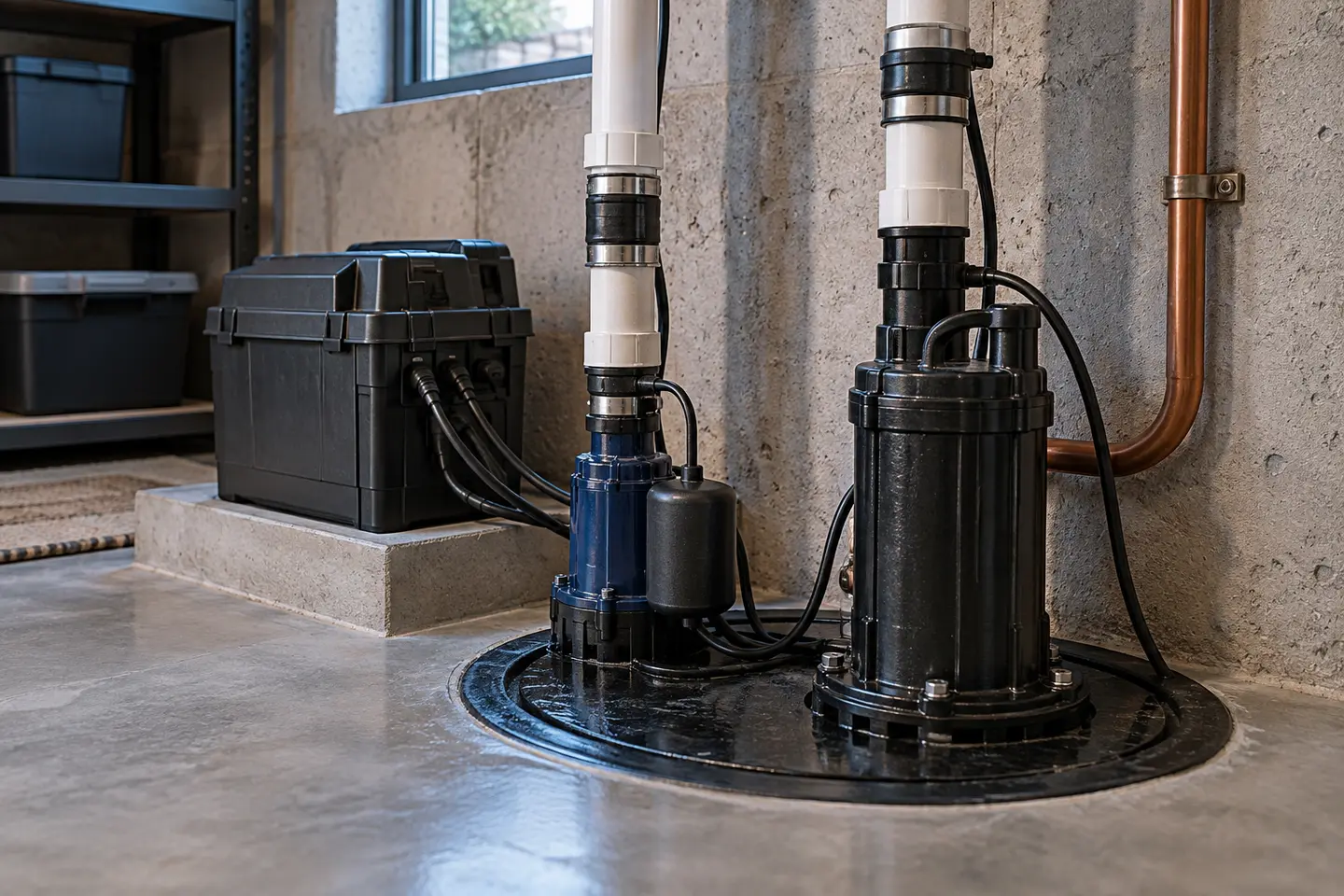
The assessment for battery backup sump pump systems may consider secondary pump capacity, battery chemistry and condition, charger and controller, alarm visibility, and shared or separate discharge planning. These elements interact. A visible defect can be important without explaining the complete event, and more than one route can be active during the same storm.
Inside, the review can follow staining, damaged finishes, cracks, penetrations, floor edges, windows, drains and equipment. Outside, it can consider roof discharge, grading, paved surfaces, window wells, foundation access and areas where water collects. The purpose is to connect observations across the building rather than assign every wet mark to the nearest visible defect.
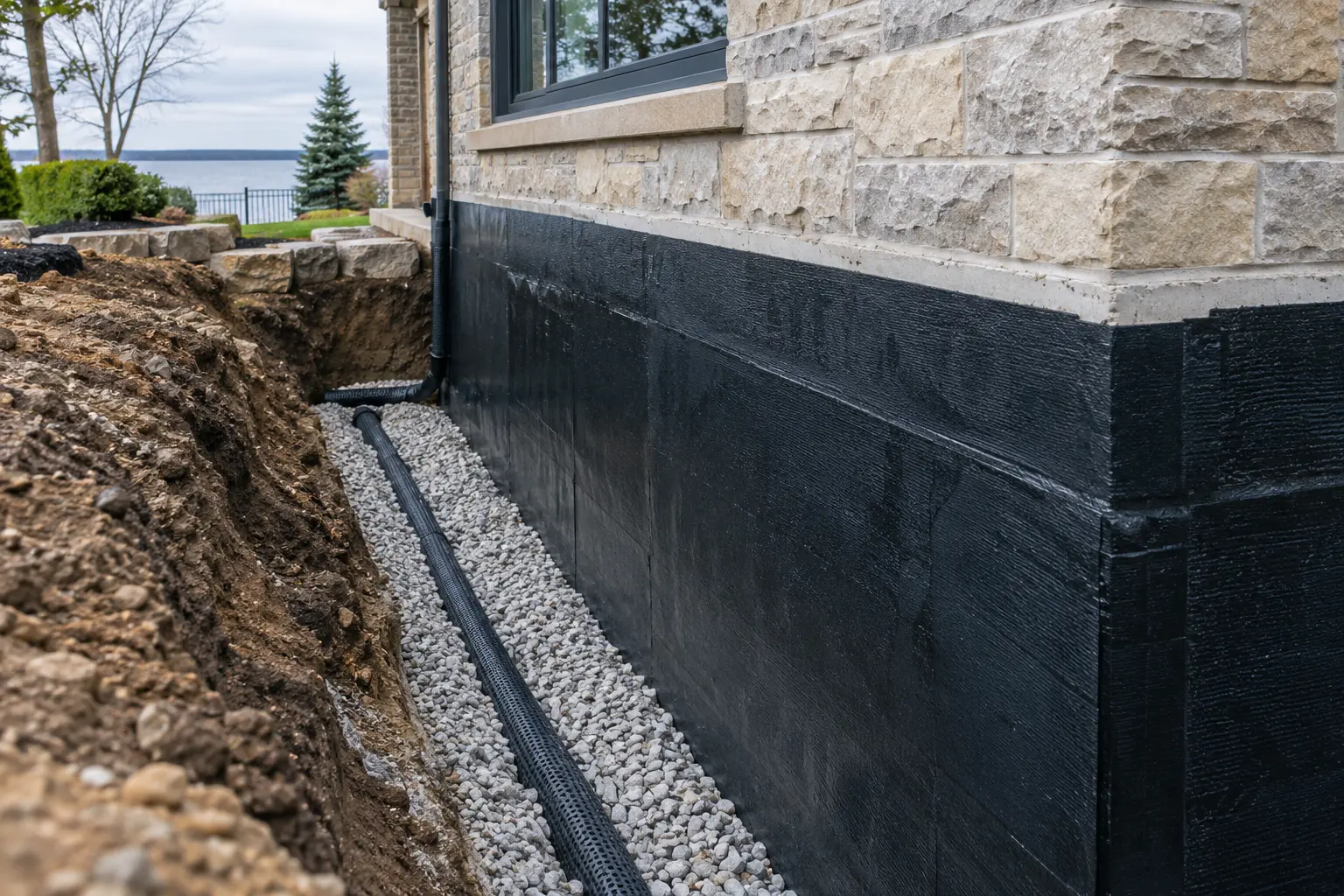
Buried drainage destinations are particularly important. A pipe beside the footing, a sump discharge, a wastewater lateral and a municipal storm connection perform different jobs. Their route should be confirmed through available records, visible components and suitable investigation before a change is made.
What the assessment should document
- The location, height and extent of visible water or staining
- The relationship between the condition and rain, thaw, plumbing use or pump operation
- Foundation type, visible cracks, penetrations, windows and the wall-floor edge
- Finished walls, flooring, cabinetry and other barriers to inspection
- Existing drainage, sump equipment, discharge routing and accessible cleanouts
- Exterior grade, roof-water discharge, paving, landscaping and excavation limits
- Previous work, available permits and any municipal or regional records
For battery backup sump pump systems, the written findings should separate what is confirmed from what remains possible. If a concealed area must be opened or a pipe must be tested, that investigation should be authorized and priced rather than treated as an unstated assumption.
How the work may proceed
When the evidence supports this service, the planned result is a compatible battery-powered secondary pump and controls, with testing and maintenance instructions. The proposal should identify preparation, materials or equipment, connections, discharge, protection of the home, disposal and restoration. It should also state the limits of the work—for instance, whether drywall, flooring, paving or landscaping restoration is included.
A sound sequence usually starts by confirming the affected route, protecting adjacent areas and creating the required access. The repair or system is then installed, visible connections are reviewed, and the area is closed only after the work that needs inspection remains accessible. Testing must match the component: a pump can be cycled, a valve can be inspected, and a repaired wall detail can be reviewed, but no single test can certify that a basement will never experience water.
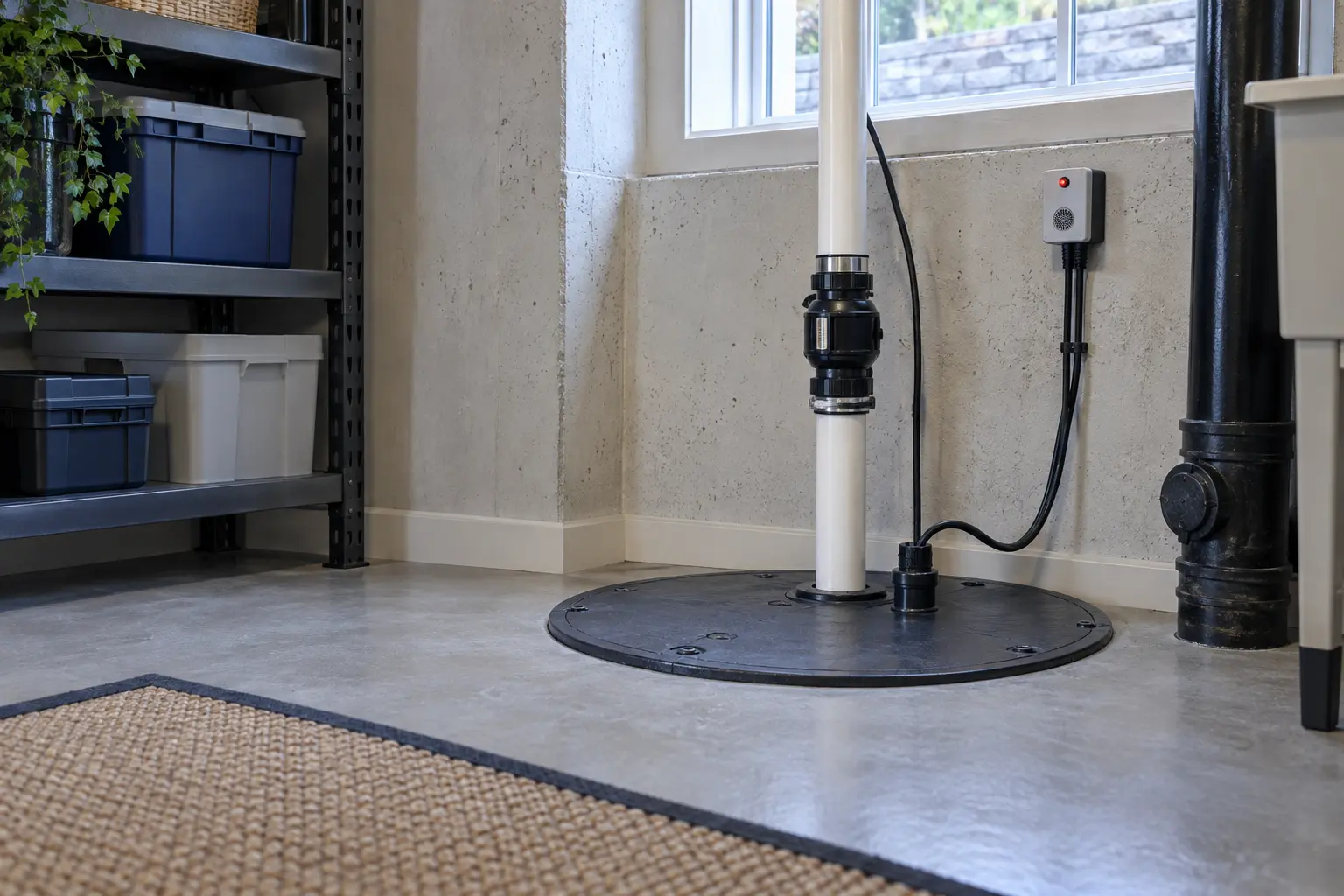
The battery and controller need dry, accessible placement. Backup capacity is finite and must be compared with expected inflow and outage duration.
Oakville permits, drainage and Halton programs
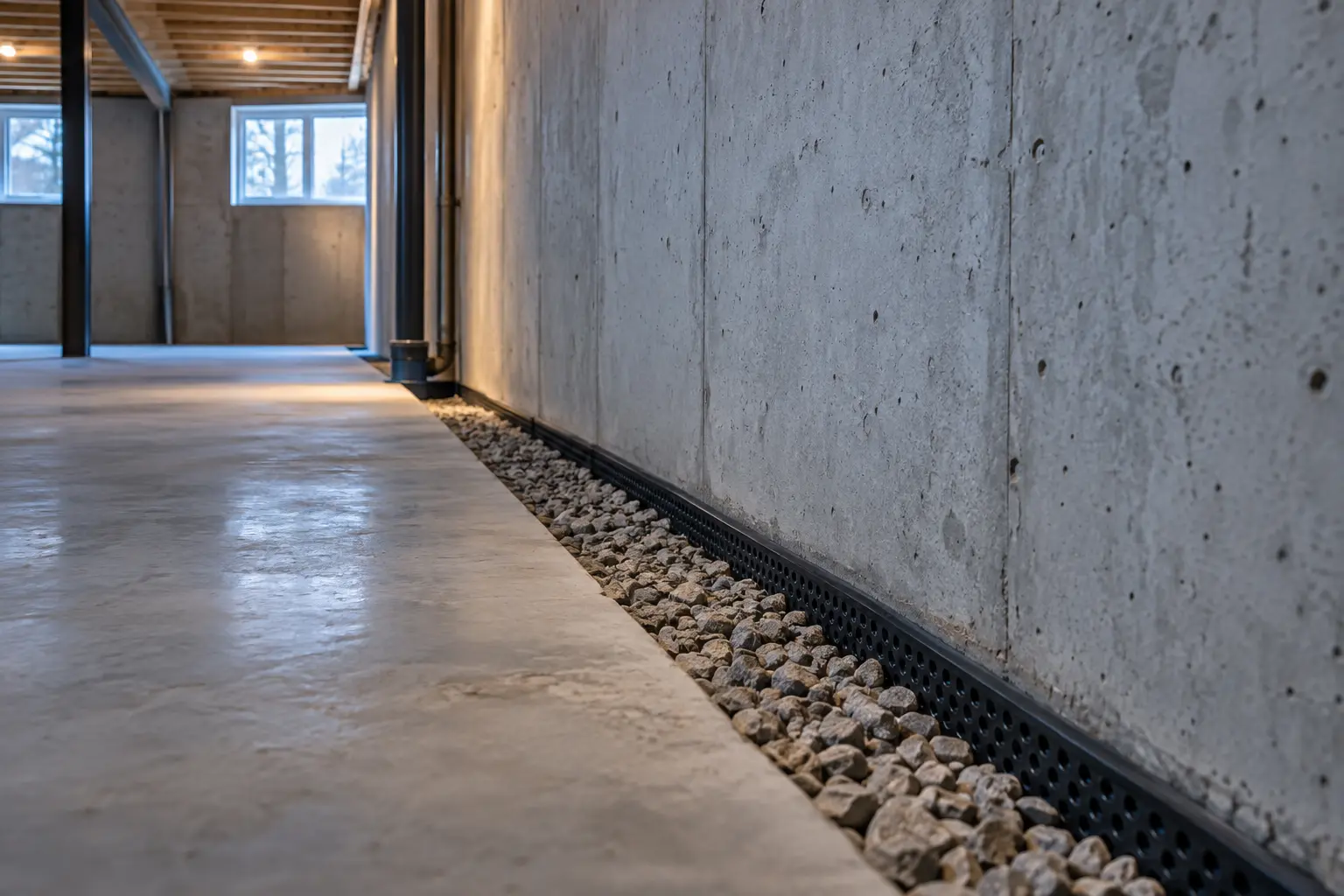
Oakville permit requirements depend on the actual work. The Town currently lists sump-pump work and weeping-tile repairs or changes on properties in the Foundation Drainage Collection System area among projects that require a permit. It also identifies shoring and excavation, sewer-system work and site servicing as permit-triggering categories, while ordinary basement damp-proofing is listed among work that does not require a building permit. Confirm the address, scope and current Town requirements before work begins.
Halton Region administers flood-prevention subsidies for eligible measures, but battery backup sump pump systems is not automatically subsidized. Eligibility is property- and measure-specific, documentation is required, and some work needs permits and final inspection. Use the Oakville basement-flooding rebates guide and verify the current rules on the Halton Region website before relying on funding in a budget.
Drainage changes must not simply move water toward a neighbouring property, back to the foundation or into an unapproved connection. Surface discharge, gravity routes and sump outlets need to fit the grading and current municipal rules. Where an FDC system may be present, property confirmation belongs near the beginning of planning.
Access, disruption and restoration
The repair area is only one part of the project. Finished basements may require careful removal and reinstatement of baseboards, drywall, insulation, flooring or built-ins. Exterior work may affect soil, gardens, steps, walkways, decks, driveways, air-conditioning equipment and fences. Ask who moves contents, protects occupied areas, arranges utility locates, handles disposal and completes each restoration trade.
Noise, dust, temporary loss of a room, excavation safety and weather can affect scheduling. If a permit or inspection applies, concealment should wait until the required review is complete. Clear sequencing is especially important when waterproofing, plumbing, electrical and landscaping responsibilities are divided across the project.
What affects the cost
The cost of battery backup sump pump systems is controlled by the confirmed repair rather than the page title. Important variables include the length and depth of work, foundation construction, excavation or interior access, finished-basement removal, buried services, drainage connections, sump equipment, permits, disposal and restoration. A small accessible defect and a perimeter system should not be compared as if they were the same product.
A useful estimate states quantities, materials, equipment, assumed conditions, exclusions and unit prices for foreseeable additions. It should explain how an unexpected buried condition or concealed damage will be documented and authorized. Review the total scope, not only the initial number, and compare whether each proposal is solving the same route.
Limits and related responsibilities
Waterproofing work addresses water management; it does not by itself certify structural stability, indoor environmental conditions, electrical safety, sewer condition or code compliance for unrelated renovations. A crack can be sealed against water without establishing why it formed. A dehumidifier can lower humidity without repairing active leakage. A backwater valve addresses sewer reverse flow, not groundwater through a wall. Those boundaries should remain clear.
Maintenance continues after installation. Pumps, alarms, valves, window wells, discharge outlets and surface drainage require periodic review. Keep invoices, product information, permit records and photographs with the property file, and document any change in performance after major storms.
Questions to ask before authorizing work
- What evidence connects the proposed battery backup sump pump systems scope to the observed water route?
- Which conditions are confirmed, and which assumptions could change the price?
- What interior or exterior access is required, and who restores disturbed finishes?
- Where will collected water discharge, and how was that destination confirmed?
- Which permit, inspection, utility-locate or municipal confirmations apply?
- What testing, maintenance information and project records will be provided?
Battery Backup Sump Pump Systems FAQs
Can battery backup sump pump systems be selected from photos alone?
Photos help document a visible condition, but they cannot confirm concealed water travel, buried drainage, structural stability or every access constraint. An on-site assessment is needed before defining the work.
Does the wettest spot always show the entry point?
No. Water can move behind drywall, along a joint, beneath flooring or toward a low point before it becomes visible. The investigation should trace the pattern rather than treating the puddle as conclusive.
Will one repair prevent every type of basement flooding?
No single measure addresses foundation seepage, window entry, surface runoff, pump failure and sewer reverse flow. The scope should match the confirmed route or routes.
Should subsidy approval be assumed in the estimate?
No. Halton program eligibility, required proof, permits, timing and eligible costs must be verified for the property and measure. Program terms can change.
Related Oakville waterproofing services
Wet Basement Repair
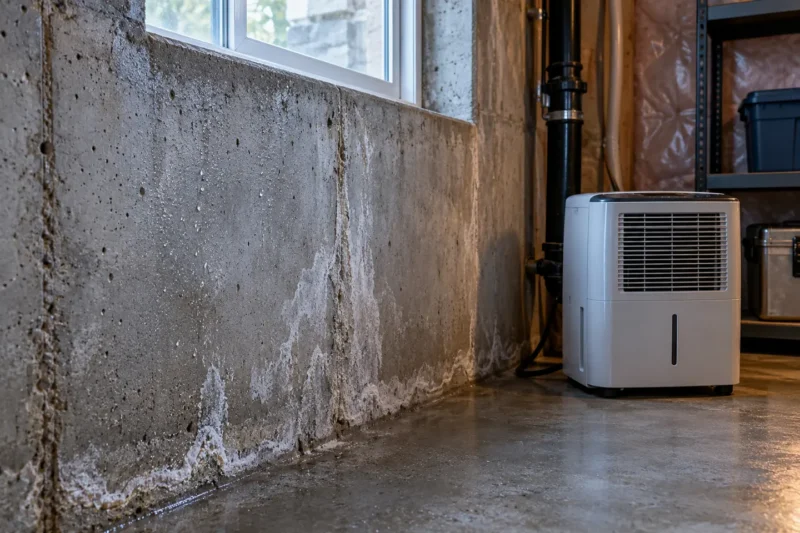
Oakville wet & leaking basement repair planned around water that is visible in a finished or unfinished basement, access, drainage, permits and restoration.
Interior Waterproofing
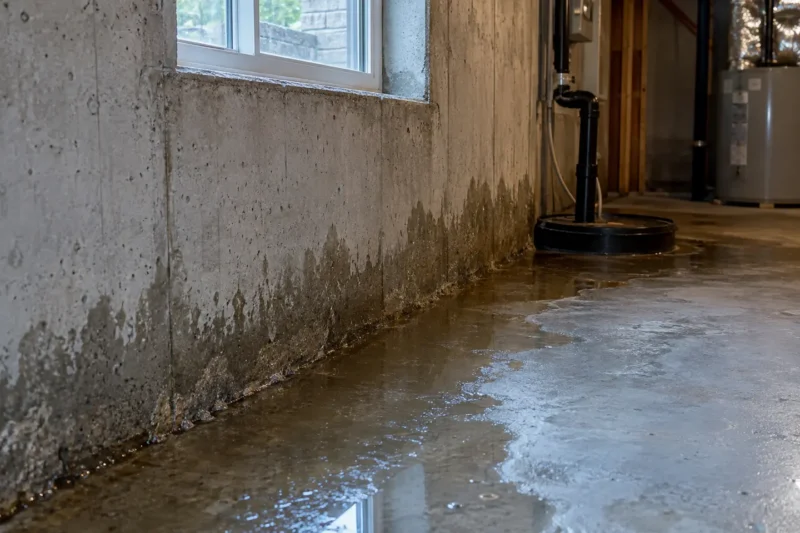
Oakville interior basement waterproofing planned around recurring seepage that can be managed from inside the basement, access, drainage, permits and restoration.
Exterior Waterproofing
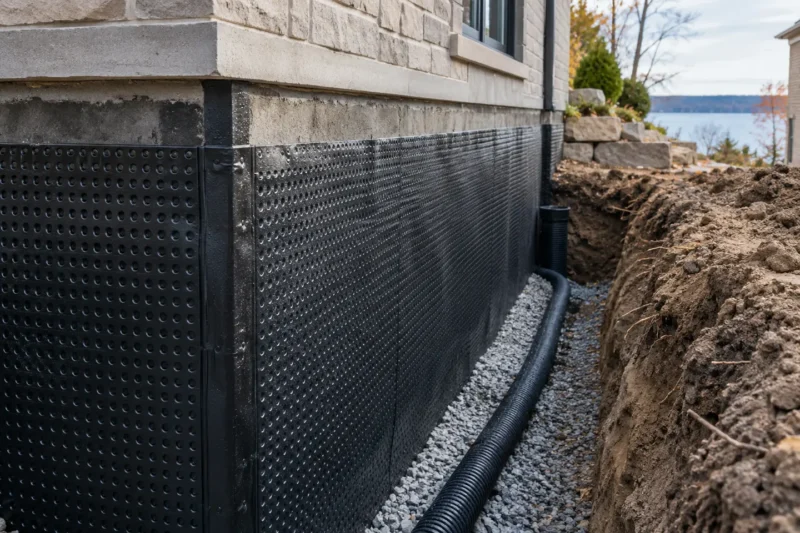
Oakville exterior basement waterproofing planned around water entry addressed from the soil side of the foundation, access, drainage, permits and restoration.